Ombre hair is still one of the most popular colour services in salons all over Illinois. This gradient technique makes it easy to go from darker roots to lighter ends, giving clients the sun-kissed, dimensional look they want. But to make a perfect ombre, you need more than just putting on lightener. You need skill, technique, and an artistic eye. Are you ready to learn this important colouring skill?
What Ombre Hair Colour Means
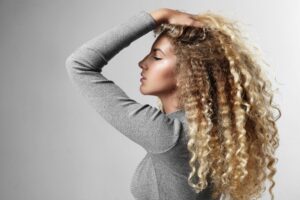
Ombre makes the colour change slowly from the roots to the ends. The name comes from the French word for “shadow” or “shade.” Ombre usually has darker roots that fade into lighter ends, but there are many creative ways to do it.
People often mix up this technique with balayage, but they are not the same. Balayage is a way to paint highlights by hand all over the hair to make it look more natural and sun-kissed. Ombre makes a more dramatic, planned gradient that is easy to see.
Ombre is popular because it doesn’t need a lot of care. Root growth blends in well with the darker base colour, so clients can wait longer between appointments. This is great for busy people who want stylish hair but don’t want to go to the salon all the time.
To do ombre well, you need to know about colour theory and how to lighten hair. You need to know how to lift hair at different levels, how toners change the pigments underneath, and how to blend colours smoothly.These fundamentals come with proper cosmetology training in Illinois.

Preparing Hair for Ombre Application
Proper preparation makes the difference between mediocre and exceptional results. Never skip these crucial steps.
Always cut hair before applying ombre color. This ensures the gradient sits exactly where you want it on the finished style. Discuss desired ombre placement during consultation—some clients want transition at chin-level, others prefer it lower.
Examine hair thoroughly before mixing lightener. Check for previous color treatments, chemical damage, or extreme porosity. Perform a strand test if uncertain about how hair will react.
Section hair strategically before beginning. Most methods require dividing hair horizontally into manageable sections. Have all supplies ready before mixing lightener—bowls, brushes, foils, gloves, and clips should be within reach.
Method One: The Teasing Technique
The teasing method creates soft, diffused gradients perfect for subtle ombre. This approach works well for beginners learning color basics.
Start by sectioning hair horizontally from temple to temple. Clip the top half away and create another section from mid-ear to mid-ear. Working with the bottom section, take vertical one-inch subsections.
Backcomb each subsection starting about two inches above where you want the gradient. This teasing creates a cushion that diffuses lightener naturally. Apply lightener starting at the very ends, working upward into the teased hair about an inch and a half.
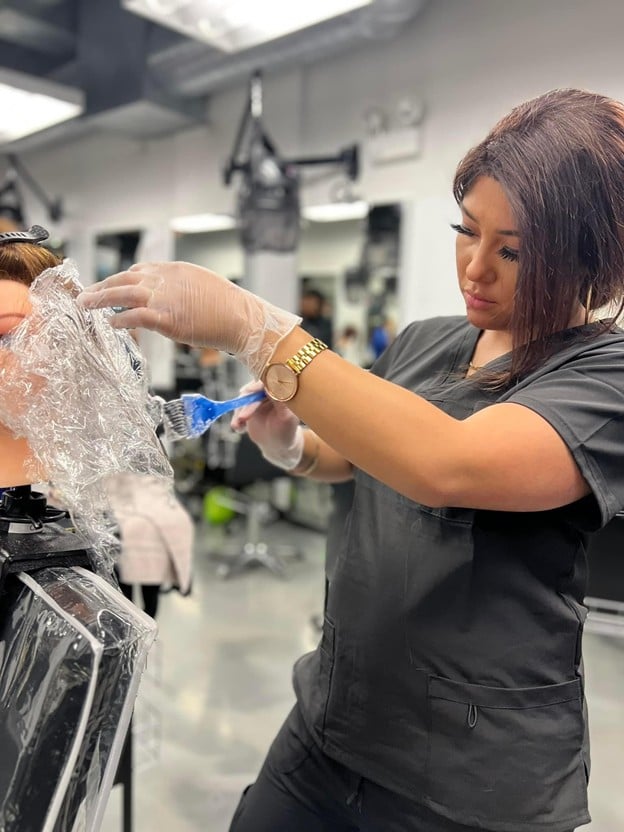
Wrap each section in foil to contain heat. Process according to manufacturer’s instructions, typically 30-45 minutes depending on starting level and desired lift.
This method forgives mistakes better than others. The backcombing naturally creates soft transitions even with imperfect application. It works on all hair textures and lengths, making it reliably versatile.
Method Two: The Hand-Painted Approach
Hand-painting offers maximum creative control for experienced colorists. This advanced technique requires developed feel and understanding of hair behavior. Many consider this the signature skill of professional hair artists.
Don’t use traditional sectioning for this freehand method. As you go, work your way around the head in sections. Hold each section tight, and then use light brush strokes to apply lightener from the ends up, changing the amount of pressure and coverage.
The most important thing is to not be regular. Don’t paint every part the same way. This change adds depth and stops the striped look. Think about where the sun would naturally lighten hair.
Depending on how strong you want the effect to be, you can wrap painted areas in foil or leave them open. Foil makes things warmer and gives them more lift, while processing in the open air gives them cooler, more subtle tones.
This method works great for clients who already have highlights or colour that changes in size. You can work with existing tones and blend them in perfectly. Hand-painting gives you creative freedom that structured sectioning doesn’t, so you can choose where to put the paint based on the shape and texture of the face.
You need to be sure of yourself and practise the technique. After they learn structured methods, students usually learn this. Our teachers help students build skills step by step, making sure they have a strong base first.
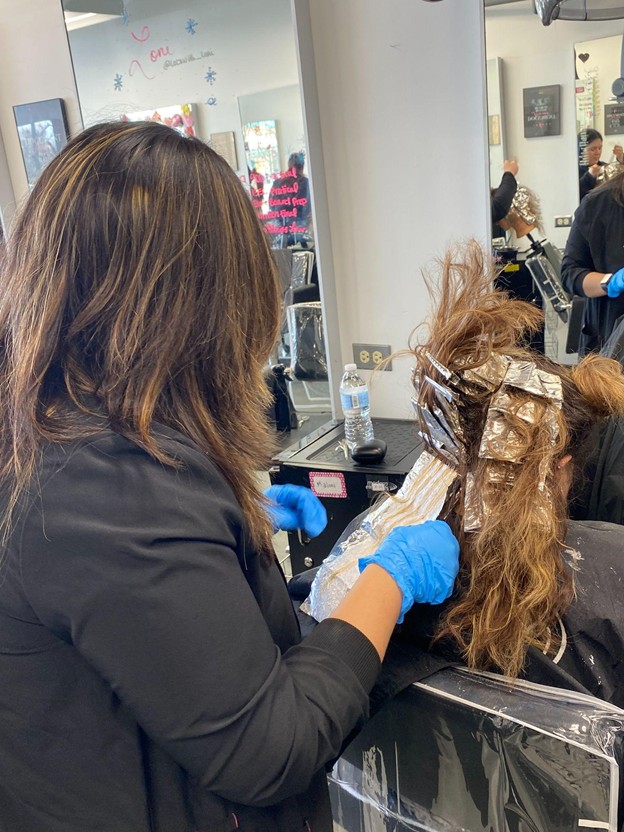
Method Three: Reverse Ombre for Blonde Hair
Reverse ombre darkens roots rather than lightening ends. This suits naturally blonde clients wanting depth without constant root touch-ups.
Use the teasing method but reverse your application. After backcombing, apply darker color starting at roots and working down slightly into the teased section. Choose a color two to three shades darker than natural blonde.
Paint the darker color only about half an inch into the backcombed area. This creates the gradient zone. Process according to manufacturer’s timing, typically 20-45 minutes depending on product type.
This low-damage option avoids bleaching entirely. Blonde clients achieve trendy looks without compromising hair health. The darker roots actually protect color-treated blonde hair, meaning less damage over time.
Reverse ombre creates striking contrast on naturally light hair. The dramatic difference makes a bold style statement that stands out.
Finishing and Toning Your Ombre
The real magic happens after rinsing lightener. Proper toning transforms brassy color into polished, professional results.
Assess what tones the lightener revealed. Hair lifts to orange, yellow, or pale yellow depending on starting level. Use purple toners to cancel yellow and blue toners to neutralize orange. Color theory knowledge proves invaluable here.
Apply toner to towel-dried hair for optimal absorption. Work through ends first where hair processes fastest, then mid-lengths. Process according to manufacturer instructions, usually 5-20 minutes. Check frequently because toner works quickly.
Avoiding Common Ombre Mistakes
Even experienced colorists face challenges. Harsh lines between colors happen from insufficient blending during application. Prevent this by being generous with your gradient zone, blending several inches rather than creating sharp transitions.
Patchy results come from inconsistent saturation or sectioning problems. Work methodically through clean sections and ensure every piece gets adequate product and processing time. This systematic approach prevents uneven color.
Over-processing damages the structure of hair. Choose the right developer strength for the type of hair your client has. Fine or damaged hair needs developers with less volume, but virgin hair can handle stronger formulas without any problems. Add bond-building treatments to your lightening services to reduce damage.
Building Your Color Career
Color services offer the highest earning potential in cosmetology. Understanding different career paths in beauty helps identify specialization opportunities. Color specialists often earn significantly more than general stylists.
Advanced education never stops. After completing your cosmetology program, continue learning through workshops and certifications. The industry evolves constantly with new techniques and trends.
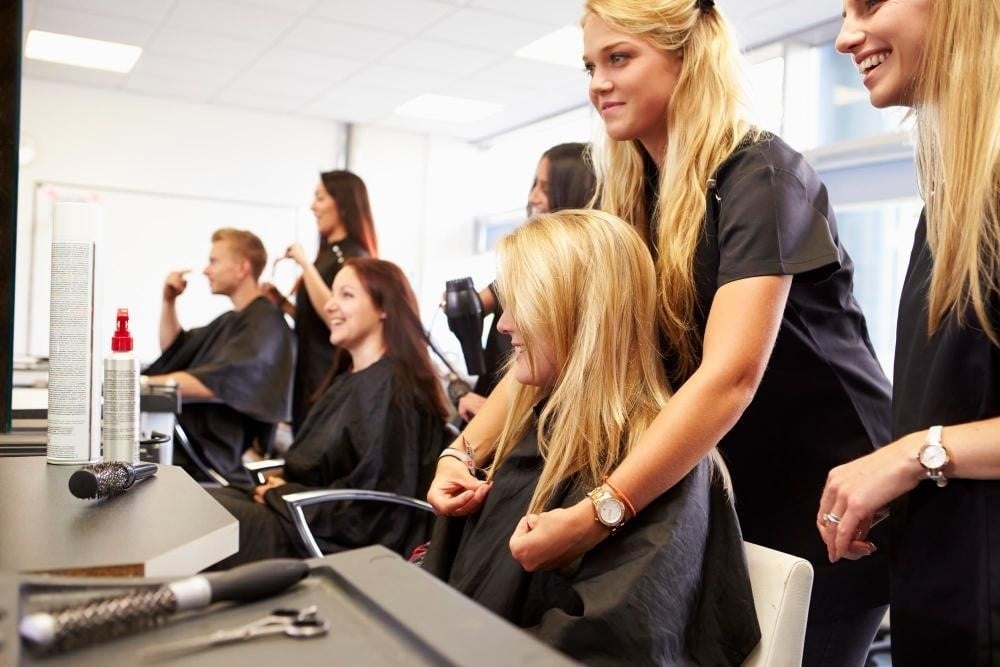
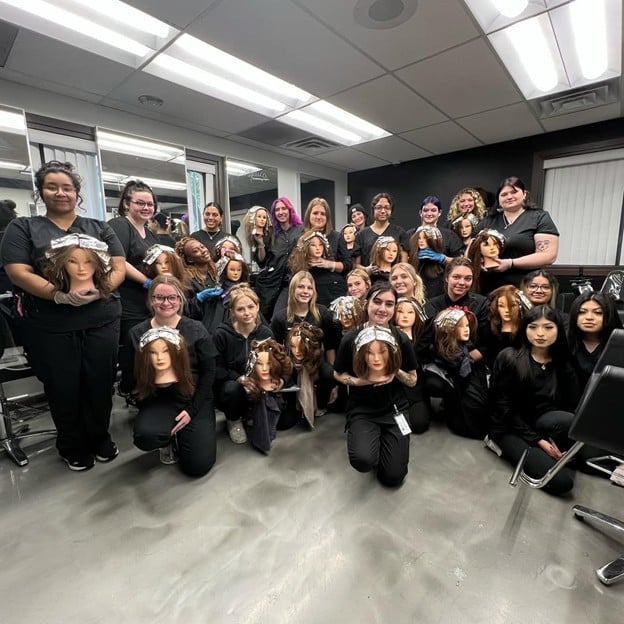
Our curriculum covers fundamental color theory supporting these techniques. Students practice extensively with real clients in our student salons, building confidence before working independently.
Starting Your Color Education Journey
Mastering ombre techniques requires proper foundational training. While YouTube tutorials demonstrate methods, nothing replaces hands-on instruction from experienced professionals. Choosing the right beauty school determines your success trajectory.
At all of our locations in Illinois, we offer the best training in colour theory and how to use it. Our teachers have worked in salons and keep up with the latest trends and techniques in the business. You’ll learn how to use the same high-quality products and tools that top salons use.
Investing in the right education will pay off for the rest of your life. Definitely, for students who really want to build successful careers. Self-teaching can’t open doors like these skills and credentials can.
Are you ready to start making beautiful ombre colours? To find out more about our full cosmetology program, call Cosmetology & Spa Academy at 815-455-5900 or email info@csa.edu. You can see our facilities and meet our expert teachers if you book a tour at our campuses in Crystal Lake, Elgin, Rockford, or Schaumburg. This is where your colourful career begins.