

The beauty industry offers far more career paths than most people realize. A single license can lead to a salon chair, a medical spa, a film set, a classroom or your own business. This guide maps out the main beauty career paths, what training each one requires in Illinois, where you can work and how to choose the right starting point.
Quick answer: most beauty careers start with one of three Illinois licenses: cosmetology (1,500 hours), barbering (1,500 hours) or esthetics (750 hours). From there you can specialize, teach, freelance or open your own business.
Beauty Industry Career Paths at a Glance
| Career path | License or training in Illinois | Where you can work |
|---|---|---|
| Hairstylist / cosmetologist | Cosmetology license (1,500 hours) | Salons, freelance, booth rental, your own salon |
| Hair colorist | Cosmetology license plus color training | Color-focused salons, brand teams |
| Barber | Barber license (1,500 hours) | Barbershops, grooming lounges, your own shop |
| Esthetician | Esthetics license (750 hours) | Day spas, skin clinics, resorts |
| Medical esthetician | Esthetics license plus advanced training | Med spas, dermatology and plastic surgery offices |
| Oncology esthetician | Esthetics license plus oncology skincare training | Cancer centers, wellness clinics, spas |
| Makeup artist | Usually a cosmetology or esthetics license for paid services | Weddings, events, photo and film, retail |
| Brow and lash technician | Esthetics or cosmetology license plus specialty training | Brow bars, lash studios, spas |
| Nail technician | Illinois nail technology license | Nail salons, spas, your own studio |
| Beauty instructor | Teacher license (as little as 500 hours for experienced pros) | Beauty schools, brand education |
| Salon owner or manager | A professional license plus business skills | Your own salon, spa or barbershop |
Hair Careers: Cosmetologist, Colorist and Barber
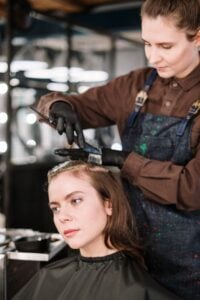
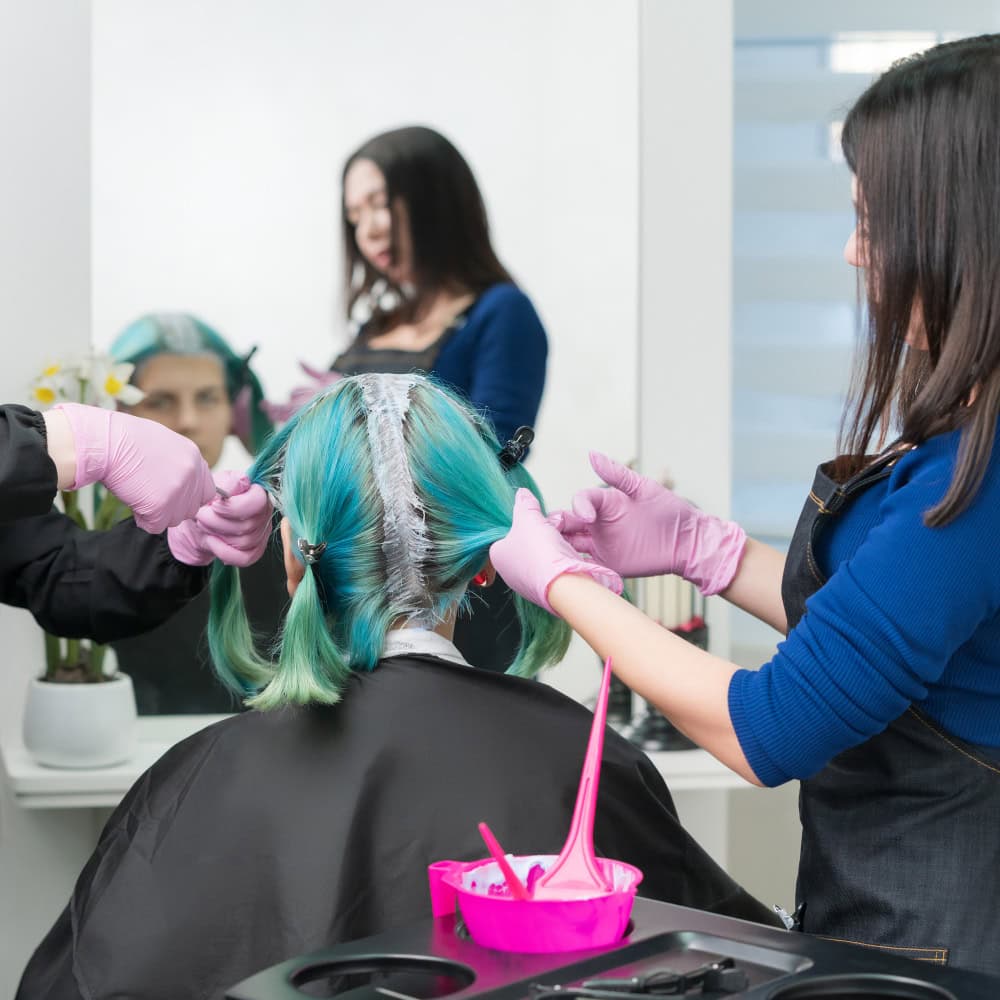
Cosmetologists have the broadest license in the industry, covering hair, skin, nails and makeup. Most work in salons, where they cut, color and style hair and build a book of regular clients. Many later specialize as colorists, focusing on balayage, color correction and creative color, which is often one of the best-paid services on a salon menu. Start with our guide on how to become a cosmetologist in Illinois or learn the basics of hair color theory.
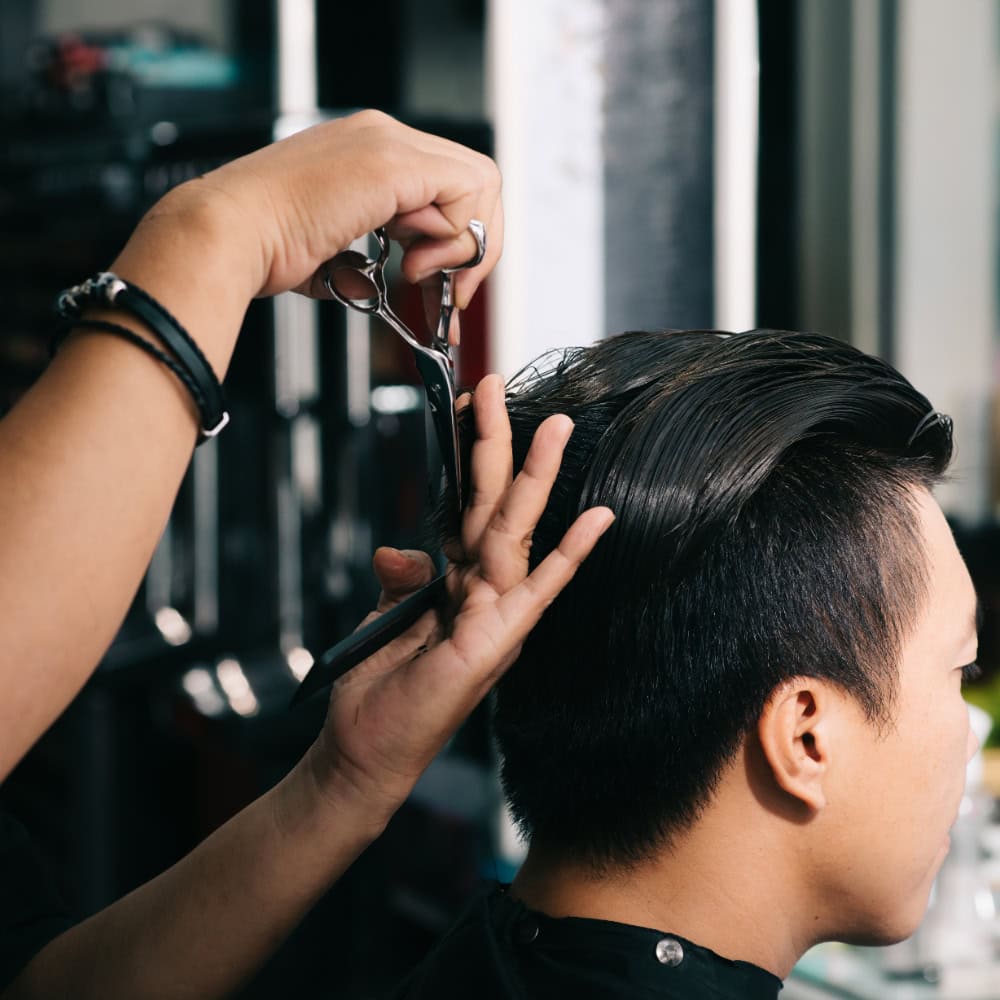
Barbers specialize in men’s cuts, fades, beard work and straight-razor shaves. Barbering has its own Illinois license, and many barbers go on to open their own shops. See exactly how to get your barbering license in Illinois.
Skin Careers: Esthetician, Medical and Oncology Esthetician
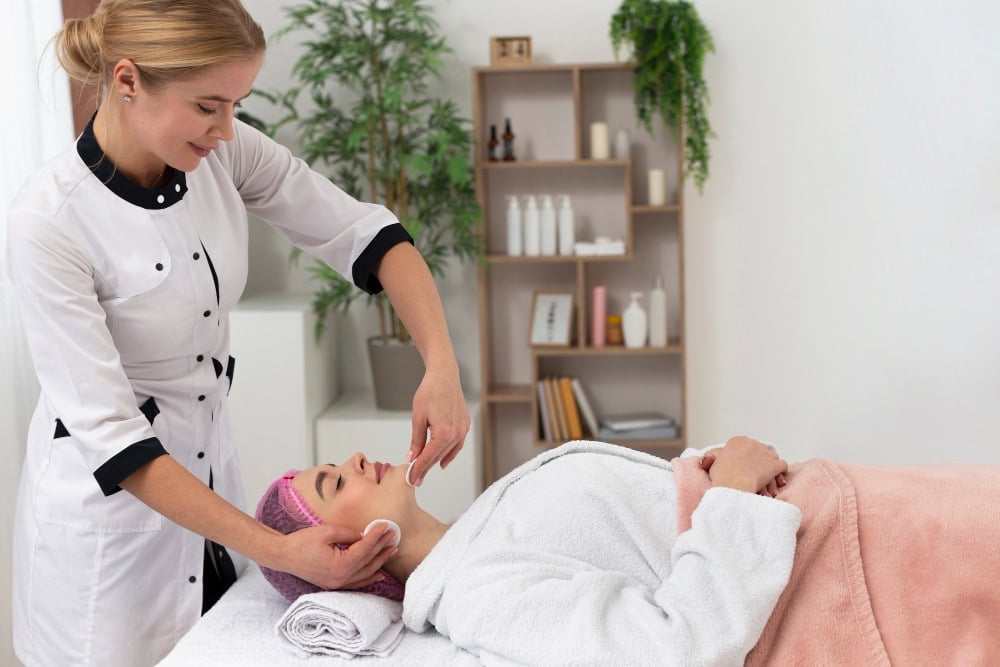
Estheticians focus on skin: facials, peels, waxing, skin analysis and makeup. It is the shortest of the three main licenses at 750 hours in Illinois, which makes it a popular first step. With more training, estheticians move into medical esthetics, working alongside physicians in med spas, or into oncology esthetics, caring for clients during and after cancer treatment. Read our full guide on how to become an esthetician.
Specialty Careers: Makeup, Brows, Lashes and Nails
- Makeup artist: bridal, events, photo shoots and film. Many work freelance. See whether you need a license to be a makeup artist and how to start as a freelance makeup artist.
- Brow and lash technician: brow shaping, lamination and lash extensions, a fast-growing niche. Learn how to become a brow technician.
- Nail technician: manicures, pedicures and nail art under a separate Illinois nail technology license. Here is how to get a nail technician license in Illinois.
Education and Business Careers
Once you have experience behind the chair, two more paths open up.
Beauty Educator
Beauty educators teach the next generation, and the role takes several forms:
- School instructor: teaches students in the classroom and on the clinic floor and prepares them for licensing. This requires an Illinois teacher license.
- In-salon educator: trains a salon’s own team on new techniques and services.
- Brand educator or platform artist: travels for product companies, teaching classes and demonstrating at shows.
- Online educator: teaches through tutorials, courses and live classes.
Experienced licensed professionals can become instructors with as little as 500 hours of teacher training. Read how to become a cosmetology instructor or explore our beauty instructor program.

Salon Owner or Manager
Many stylists, barbers and estheticians eventually rent a booth, open a suite or launch a full salon. Ownership adds hiring, marketing and finances to your skills. Our guide on how to open a salon in Illinois covers the licenses and steps.
What Beauty Careers Pay
Pay depends on your path, location, clientele, tips and whether you work on commission, rent a booth or own the business. For a national baseline, the U.S. Bureau of Labor Statistics reports these 2025 median pay figures:
- Skincare specialists (estheticians): $45,330 a year, with 9% job growth projected for 2025 to 2035
- Barbers, hairstylists and cosmetologists: $35,880 a year, with 7% growth projected
- Manicurists and pedicurists: $35,760 a year, with 9% growth projected
Medians are a starting point, not a ceiling: specialists, educators and owners with a loyal clientele often earn well above them. For Illinois-specific numbers, see the top-paying beauty careers in Illinois and how much cosmetologists make.
How to Choose Your Beauty Career Path
- Start with what you love doing. Hair, skin, makeup or nails? Your favorite service is usually the right first license.
- Think about where you want to work. A busy salon, a quiet spa, a medical office and a film set call for different licenses.
- Keep options open. Cosmetology is the broadest license, so it leaves the most doors open if you are unsure.
- Plan your next step. Most people add specialties, teaching or ownership later, so your first license is a starting point, not a final decision.
Still deciding? Compare the three main licenses in cosmetologist vs. esthetician vs. barber, or match a job to your strengths with the best beauty jobs for your personality.
Beauty Career Paths: FAQ
What are the main career paths in the beauty industry?
The main paths are hairstylist or cosmetologist, hair colorist, barber, esthetician (including medical and oncology esthetics), makeup artist, brow and lash technician, nail technician, beauty instructor and salon owner or manager.
Which beauty career is the quickest to start in Illinois?
Of the three main licenses, esthetics is the shortest at 750 hours of training. Cosmetology and barbering each require 1,500 hours, about 11 months or more full-time.
Which beauty career pays the most?
Nationally, skincare specialists have the highest median pay of the main licensed beauty jobs, at $45,330 in 2025 according to the Bureau of Labor Statistics. In practice, specialists such as colorists and medical estheticians, educators and salon owners with a strong clientele often earn the most.
Can I switch beauty career paths later?
Yes. Many professionals add a second license, train in a specialty or move into teaching or ownership. Cosmetology is the broadest license, so it keeps the most options open.
Ready to start? Book a tour of one of our campuses in Crystal Lake, Elgin, Rockford or Schaumburg and talk with our admissions team about which program fits your goals.