Foundation that perfectly matches your skin can transform your entire makeup look. Yet most people struggle to find their ideal shade because they don’t understand the difference between skin tone and undertone.
Understanding your undertone is fundamental to makeup artistry and skin care. It influences everything from foundation selection to choosing flattering lipstick and blush colors.
Many people try foundation after foundation, never quite finding the right match. The problem isn’t the quality of products—it’s not knowing your undertone. Once you understand this crucial element, selecting makeup becomes dramatically easier.
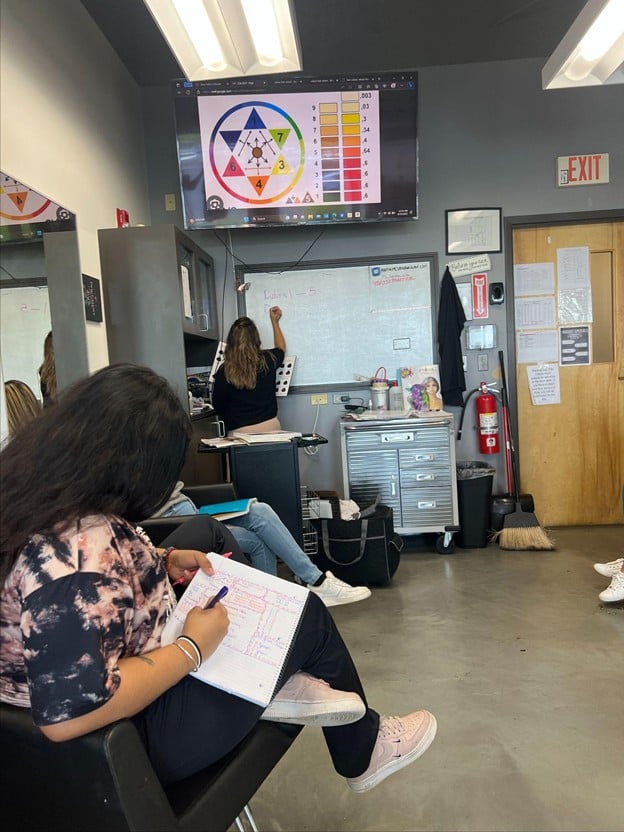
Aspiring estheticians and makeup artists must master undertone identification to serve clients effectively. We teach comprehensive color theory and skin analysis at Cosmetology & Spa Academy. Ready to master this essential skill?
Understanding Skin Tone vs. Undertone
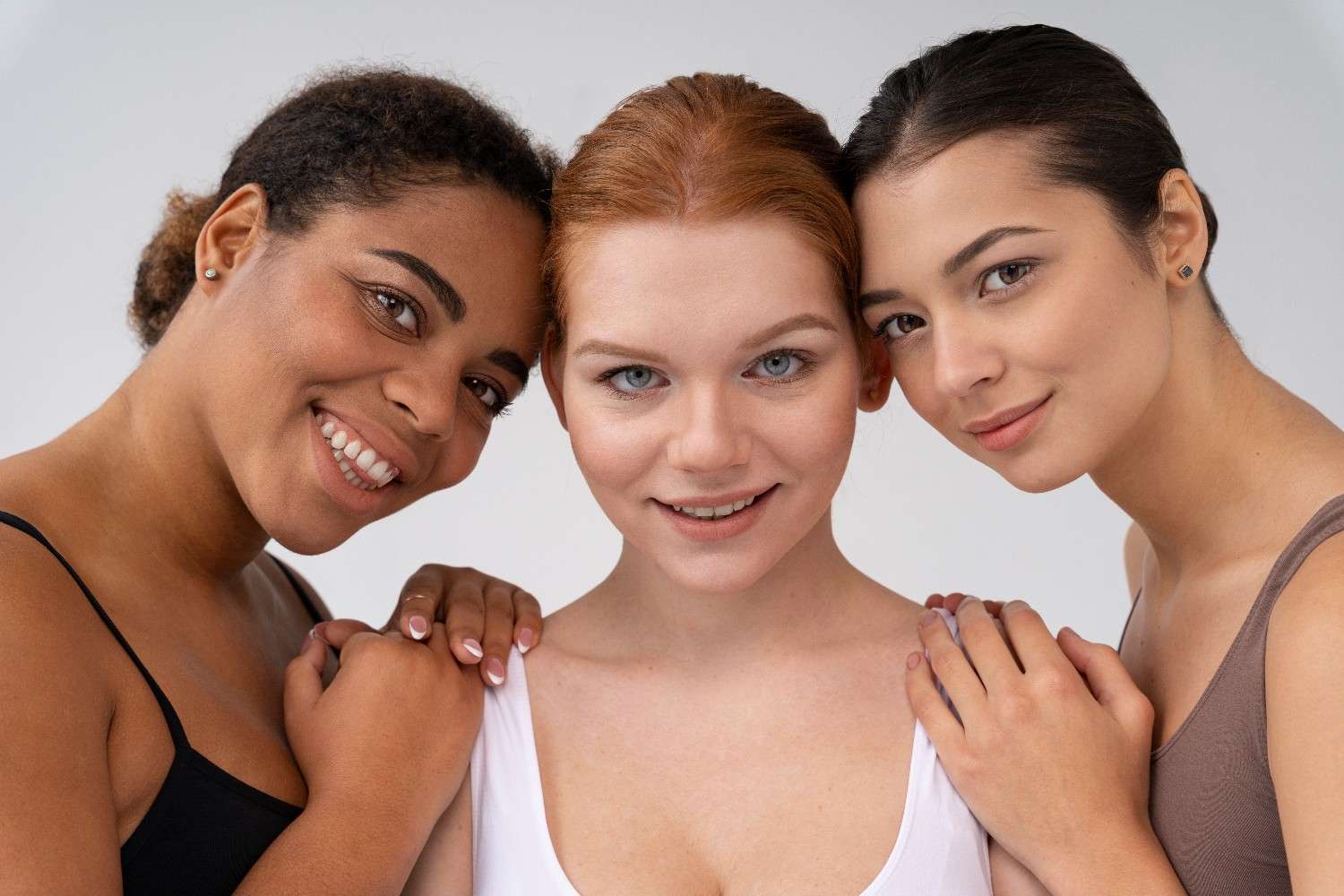
These terms are often confused, but they mean different things. Your skin tone refers to the surface color—how light or dark it appears. This can change with sun exposure.
Your undertone is the subtle hue beneath your skin’s surface. Undertone stays the same no matter how much you tan, unlike skin tone. The colour underneath your skin affects how it reacts to different makeup colours.
Imagine that your skin tone is like paint on a wall and your undertone is like the primer underneath that colour that changes how it looks. Makeup artists always look at both of these things before choosing products. Understanding this distinction is fundamental in any cosmetology education program.
The Three Main Undertone Categories
Most people fall into one of three undertone categories: warm, cool, or neutral. Each category has distinct characteristics that affect makeup choices.
Warm undertones feature yellow, peach, or golden hues beneath the skin’s surface. People with warm undertones often tan easily rather than burn. Veins typically appear greenish, and gold jewelry looks more flattering than silver.
Cool undertones contain pink, red, or blue hues beneath the skin. These undertones typically burn more easily than they tan. Veins usually appear blue or purple, and silver jewelry tends to complement better than gold.
Neutral undertones balance warm and cool elements with a mix of yellow, pink, and blue hues. This category enjoys the most flexibility in makeup selection, with both warm and cool-toned products working well.

Simple Tests to Determine Your Undertone
Several reliable methods help identify your undertone accurately. Using multiple tests provides the most confident assessment.
The Vein Test
Examine the veins on your inner wrist in natural lighting. Green veins indicate warm undertones. Blue or purple veins suggest cool undertones. If you can’t tell—they look in between—you probably have neutral undertones.
This test works best in natural daylight. It’s quick, requires no equipment, and remains one of the most reliable initial assessment methods.
The Jewelry Test
Hold gold jewelry next to your face, then try silver. If gold is more flattering, you likely have warm undertones. If silver works better, cool undertones are probable. Both equally flattering suggests neutral undertones.
This test also guides accessory and clothing color choices beyond makeup selection.
The White Paper Test
Hold pure white paper next to your bare face in natural light. Yellow or golden tones suggest warm undertones. Pink or rosy tones indicate cool undertones. No clear color difference points to neutral undertones.
This test works particularly well for people with medium to deeper skin tones where vein color can be harder to distinguish.
Finding Your Skin Tone Depth
Once you know your undertone, determining your skin tone depth completes the picture. Skin tone depth refers to how light or dark your skin appears.
The beauty industry uses the Fitzpatrick Scale, categorizing skin into six types from very fair to very dark. This scale considers natural color, sun sensitivity, and tanning ability. Understanding where you fall helps narrow foundation shade options significantly.
Foundation brands use descriptors like fair, light, medium, tan, deep, and dark. Within each category, multiple shades account for undertone variations. A “medium” foundation might come in medium-warm, medium-cool, and medium-neutral versions.
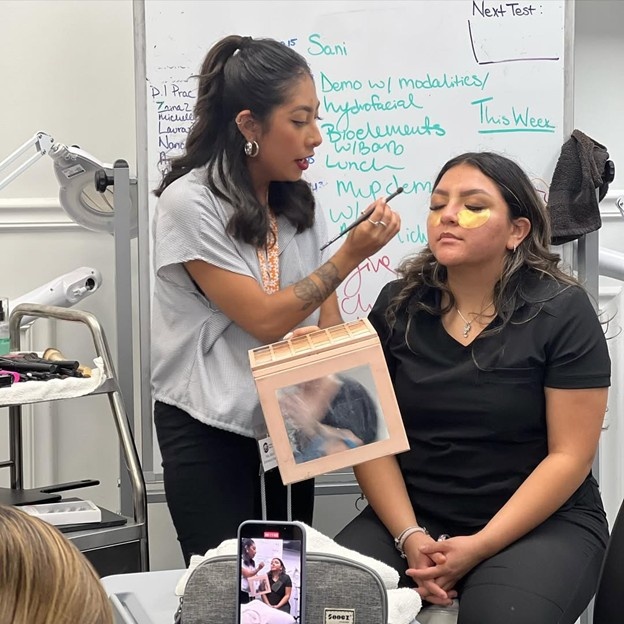
Professional makeup artists understand these classification systems across multiple product lines. Esthetics training includes comprehensive education on skin typing and color matching.
Matching Foundation to Your Undertone
Finding your perfect foundation match requires combining undertone and skin tone depth knowledge. Always test foundation on your jawline rather than your hand. The jaw area shows your true face color.
Test in natural lighting whenever possible. Apply three potential shades along your jawline. The one that disappears into your skin is your match.
Foundation shade names often indicate undertone. Terms like “golden” or “warm” suggest warm undertones. Words like “porcelain” or “cool” indicate cool undertones. However, always swatch test rather than relying solely on names.
Application Tips for Different Undertones
Knowing your undertone influences your entire makeup approach beyond foundation.
Warm undertones look best in peachy, coral, or warm pink blushes with bronze tones. Cool undertones shine in berry, mauve, or cool pink blushes with rose-toned bronzers.
For lips, warm undertones look stunning in orange-reds, coral, and warm nudes. Cool undertones favor blue-reds, berry, and cool nudes. Neutral undertones enjoy the widest range of options.
Understanding products and color theory helps makeup artists recommend flattering shades that enhance natural features.
Common Undertone Mistakes
Even experienced makeup users make undertone-related errors. Selecting foundation based only on how light or dark it appears leads to mismatches. Two people with identical skin tone depth but different undertones need different foundation shades.
This explains why foundations that look perfect in the bottle can look wrong on your face. The depth matches but the undertone doesn’t, creating an unnatural appearance.
Some foundations oxidize after application, darkening or changing color as they interact with skin’s natural oils. Testing foundation for several hours before purchasing helps identify oxidation issues. Professional training emphasizes assessing both tone and undertone simultaneously for accurate selection.

Building Your Expertise
Mastering skin tone and undertone identification takes practice and education. Professional training provides structured learning that accelerates skill development.
We teach comprehensive makeup application and color theory in our esthetics programs. Students learn to assess clients accurately and recommend products confidently. Our experienced instructors bring industry knowledge to every class.
Different beauty career paths require varying levels of color matching expertise. Makeup artists and estheticians use these skills daily.
Turning Skills Into Career Success
If you excel at helping friends find their perfect makeup matches, you have natural talent worth developing professionally. Professional training refines your abilities and fills knowledge gaps.
The beauty industry values color matching expertise highly. Clients return to professionals who help them look their best. Building a reputation for perfect matches creates loyal clientele.
Ready to develop your abilities into professional expertise? Contact us at 815-455-5900 or email info@csa.edu to learn about our esthetics program.