

Your skin and hair face the outside world every single day. Sun, polluted city air, hard tap water, pool chlorine, humidity and dry winter wind all leave a mark, often long before you notice it in the mirror.
Quick answer: The biggest environmental threats to hair and skin are UV light, air pollution, hard water, chlorine, humidity and cold, dry air. UV is the main driver of visible skin aging and also weakens and fades hair. Pollution is linked to more dark spots, hard water and chlorine dry out skin and hair, and humidity makes hair frizz. Daily sunscreen, gentle cleansing, a good moisturizer, conditioning and rinsing after swimming protect against most of it.
Here’s how each factor works and what you can do about it, from the skin and hair experts who train future estheticians and cosmetologists at our school.
Key Takeaways
- The Skin Cancer Foundation says sun exposure is responsible for about 90% of visible changes to the skin.
- In a study of 400 women, higher traffic-related air pollution was linked to 20% more pigment spots on the face.
- Hard water minerals bind to soap and can damage the skin barrier, according to King’s College London researchers.
- Chlorine leaves hair dry, rough, dull and more likely to break; wetting hair and wearing a cap before swimming helps.
- Humidity lets extra water into the hair shaft, which swells the cuticle and causes frizz.
Environmental Effects on Hair and Skin at a Glance
| Factor | Effect on skin | Effect on hair | Best protection |
|---|---|---|---|
| Sun (UV) | Wrinkles, dark spots, sunburn, loss of firmness | Dryness, brittleness, faded color | Daily broad-spectrum sunscreen, hat, UV-protective hair products |
| Air pollution | More pigment spots and dullness | Buildup that leaves hair flat and dull | Thorough nightly cleansing, antioxidants |
| Hard water | Dryness and irritation from a weakened barrier | Mineral buildup, dullness, stiff feel | Gentle cleansers, occasional chelating shampoo, water softener |
| Chlorine | Tightness and dryness | Dry, rough, dull hair that breaks easily | Wet hair and wear a cap before swimming, rinse right after |
| Humidity and heat | Extra oil and sweat | Frizz and loss of style | Smoothing products, a healthy cuticle, lighter skincare |
| Cold, wind and dry air | Flaking, redness, chapped lips | Static, dryness and breakage | Richer moisturizer, humidifier, conditioner, cover up outdoors |
1. Sun Exposure (UV Rays)
The sun is the single biggest environmental factor in how skin ages. According to the Skin Cancer Foundation, sun exposure is responsible for about 90% of visible changes to the skin, a process called photoaging.

What UV does to skin: UVB rays are the main cause of sunburn. UVA rays reach deeper into the skin and damage collagen, the protein that keeps skin firm. Over time, that shows up as fine lines, wrinkles, freckles, dark spots, rough texture and visible redness.
What UV does to hair: Hair isn’t alive, so it can’t repair itself. The American Academy of Dermatology notes that the sun can make hair weak, dry, rough, faded and brittle. Color-treated hair is especially vulnerable: UV breaks down color molecules, so blonde turns brassy and rich brunettes fade. If you’ve invested in balayage or highlights, sun protection keeps the tone fresh longer.
How to protect yourself:
- Wear a broad-spectrum sunscreen on your face, neck and hands every day, even when it’s cloudy.
- Reapply about every two hours when you’re outdoors, and after swimming or sweating.
- Wear a wide-brimmed hat to shield both your scalp and your hair.
- Use a leave-in conditioner or styling product with UV filters on sunny days.
2. Air Pollution
City air carries soot, exhaust and fine particles that settle on your skin and hair every day.
What pollution does to skin: A study published in the Journal of Investigative Dermatology followed 400 women aged 70 to 80. Those with higher exposure to soot and traffic-related particles had about 20% more pigment spots on the forehead and cheeks, and pollution exposure was also linked to more wrinkles (Vierkötter et al., 2010).
What pollution does to hair: Particles and grime cling to hair and scalp along with natural oils and styling products. The result is hair that looks flat and dull and a scalp that feels coated.

How to protect yourself:
- Cleanse your face every evening to remove the day’s particles, sunscreen and makeup. Double cleansing works well if you wear makeup.
- Many estheticians recommend an antioxidant serum, such as vitamin C, in the morning under sunscreen.
- Wash your hair often enough to keep your scalp clean; how often depends on your hair type and how oily your scalp gets.
- Book a professional facial now and then for a deeper clean. Our guide to advanced facial treatments explains the options estheticians use.
3. Hard Water
Hard water contains high levels of calcium and magnesium, and it’s common in northern Illinois. Rockford’s water utility, for example, reports a hardness of 19 to 22 grains per gallon, which counts as hard water.
What hard water does to skin: Researchers at King’s College London found that calcium and magnesium bind to common soap ingredients (surfactants such as SLS and SLES), which then settle on the skin instead of rinsing away. Hard water is also alkaline and can raise the skin’s pH. Together, these effects damage the skin barrier and make skin more sensitive. People with eczema were especially affected, and using an ion-exchange water softener reduced the harm.
What hard water does to hair: Minerals can build up on the hair shaft, leaving it feeling stiff and looking dull. Buildup can also make it harder for conditioners to work and can shift the tone of color-treated hair.
How to protect yourself:
- Choose gentle, low-foam or sulfate-free cleansers for your face and body.
- Moisturize right after showering while your skin is still damp.
- Use a clarifying or chelating shampoo every few weeks to lift mineral buildup, then follow with conditioner.
- If you have eczema or very reactive skin, ask your dermatologist whether a water softener makes sense for your home.
4. Chlorine and Swimming
Pool water keeps swimmers safe from germs, but the chlorine in it is tough on hair and skin.
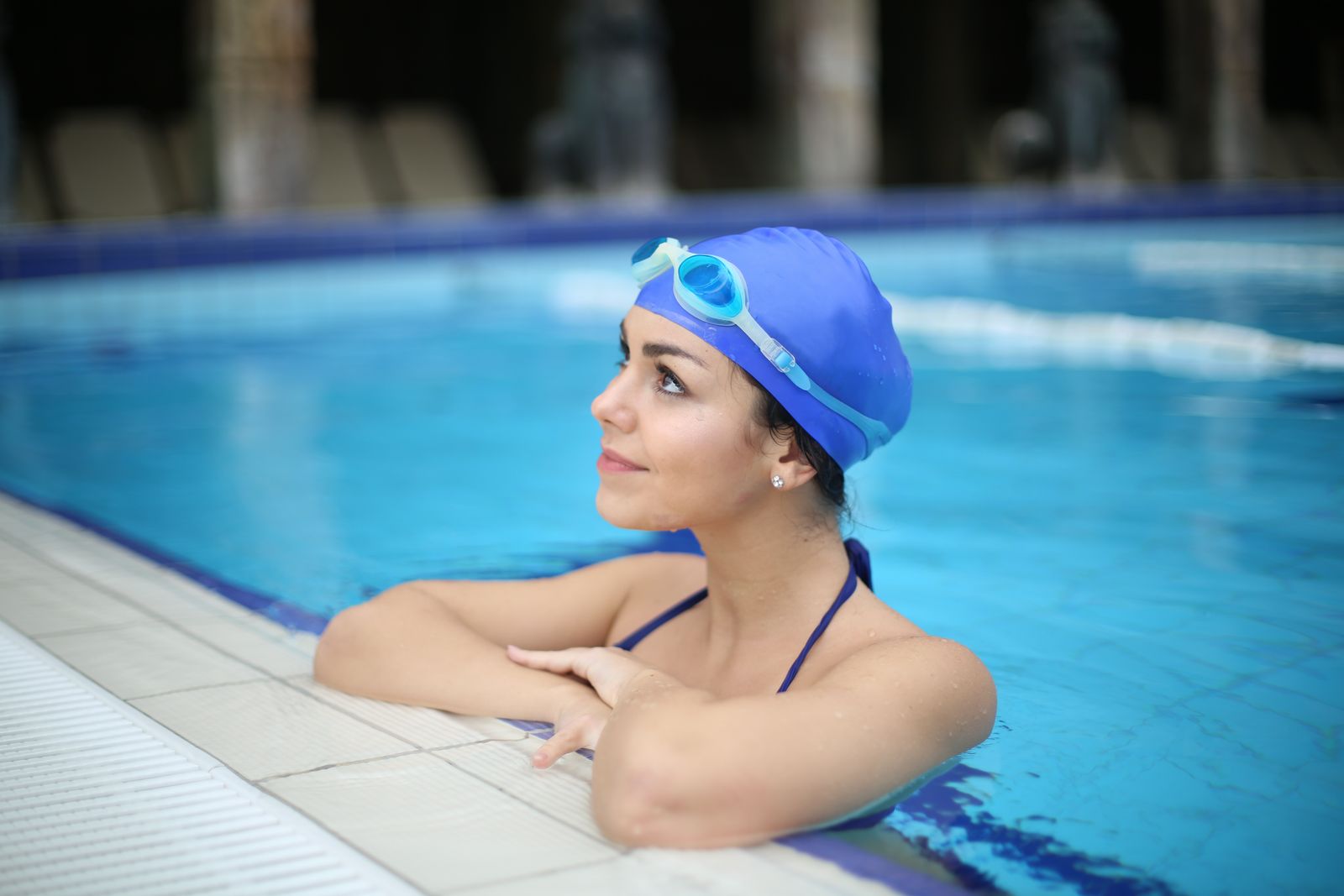
What chlorine does: Dermatologist Dr. Taylor Bullock told Cleveland Clinic that the more hair comes into contact with chlorine, the more it can become dry, rough, dull and prone to breakage. Chlorine also strips the natural oils that protect both hair and skin, which is why skin feels tight after a long swim.
How to protect yourself:
- Wet your hair with clean water before you swim. Hair that’s already full of fresh water absorbs less chlorinated water.
- Wear a snug swim cap, especially if you swim often or have color-treated hair.
- Apply a leave-in conditioner or hair oil before swimming to add a protective layer.
- Rinse hair and skin right after you get out. The longer chlorine stays on, the more damage it does.
- Use a clarifying shampoo occasionally, not every day, since it can be drying.
- Moisturize your skin after you shower to replace lost oils.
Damaged, dry ends are a sign it’s time for a trim. Our guide on how often you should get a haircut explains when to book.
5. Humidity and Heat
What humidity does to hair: As a chemist explains in The Conversation, water forms hydrogen bonds between the proteins inside your hair. When the air is humid, or when the cuticle is already damaged, more water gets into the hair. A little water can make hair curl; too much swells and lifts the cuticle, and that’s what you see as frizz.

What heat and humidity do to skin: Hot, sticky weather increases sweat and oil, which can clog pores and make makeup slide.
How to protect yourself:
- Keep the cuticle healthy so it lets in less moisture: limit hot tools and use low or medium heat with a heat protectant, as the AAD recommends.
- Use smoothing creams, serums or anti-humidity sprays that coat the hair.
- Work with your texture instead of fighting it. Our hair texture guide explains how each texture behaves.
- Switch to a lighter gel moisturizer in summer, but don’t skip it, and keep wearing sunscreen.
6. Cold, Wind and Dry Indoor Air
Cold air holds little moisture, and indoor heating dries the air even more. Skin loses water faster, leading to flaking, redness and chapped lips, while hair gets static-prone, dry and more likely to snap. The U.S. Environmental Protection Agency recommends keeping indoor humidity ideally between 30% and 50%, and a humidifier helps reach that range in winter.
For a full cold-weather plan, including morning and evening routines and tips by skin type, read our winter skincare routine guide.
A Daily Routine That Protects Against Most Environmental Damage
- Morning: gentle cleanser, antioxidant serum, moisturizer, broad-spectrum sunscreen.
- Before going outside: a hat on sunny days and a UV or heat protectant on your hair.
- After swimming or workouts: rinse hair and skin with fresh water, then condition and moisturize.
- Evening: cleanse thoroughly to remove pollution, sunscreen and makeup, then moisturize.
- Weekly: a deep conditioner for hair and a gentle exfoliant for skin.
- Every few weeks: a clarifying or chelating shampoo if you have hard water or swim often.
- Seasonally: adjust your products, using richer creams in winter and lighter ones in summer.
Not sure which products to choose? See our list of top skincare brands used in cosmetology.
When to See a Professional
An esthetician can assess your skin and build a treatment plan for sun damage, dullness or dehydration. A stylist can treat dry, chlorine- or sun-damaged hair with conditioning treatments and trim away split ends. See a board-certified dermatologist for any new or changing mole, a spot that bleeds or won’t heal, or a rash that doesn’t improve.
Get Expert Care at Our Student Salon and Spa
Give your skin and hair a reset. Our day spa offers facials and skin treatments, and our student salon offers conditioning treatments, color refreshes and trims, all performed by advanced students under the supervision of licensed instructors. Visit us in Crystal Lake, Elgin, Rockford or Schaumburg.
Fascinated by how skin and hair respond to the world around them? That’s exactly what students learn in our esthetics program and cosmetology program.
Frequently Asked Questions
What environmental factors affect skin the most?
UV light from the sun has the biggest effect, accounting for about 90% of visible skin changes according to the Skin Cancer Foundation. Air pollution, hard water, chlorine, cold dry air and humidity also play a role.
Can the sun damage your hair?
Yes. UV light can leave hair weak, dry, rough, faded and brittle, and it breaks down hair color. A wide-brimmed hat and hair products with UV filters help protect it.
Does pollution really age your skin?
Research suggests it does. In a study of 400 women, those with higher exposure to traffic-related particles had about 20% more pigment spots on the face. Cleansing every evening and wearing sunscreen help limit the damage.
Is hard water bad for your skin and hair?
It can be. Hard water minerals bind to soap and settle on the skin, which can weaken the skin barrier, especially in people with eczema. On hair, minerals build up and cause dullness. Gentle cleansers, moisturizer and an occasional chelating shampoo help.
How do I protect my hair from chlorine?
Wet your hair with clean water before swimming, wear a snug swim cap, apply a leave-in conditioner, and rinse right after you get out. Use a clarifying shampoo occasionally to remove buildup.
Why does humidity make my hair frizzy?
Humid air lets extra water into the hair shaft. Too much water swells and lifts the cuticle, which makes hair look frizzy. Damaged hair absorbs more water, so keeping the cuticle healthy reduces frizz.
Sources
- Photoaging: What you need to know about the other kind of aging, Skin Cancer Foundation
- Airborne particle exposure and extrinsic skin aging, Vierkötter et al., Journal of Investigative Dermatology, 2010
- The hard truth about eczema: it’s something in the water, King’s College London
- Water Quality Report, City of Rockford Water Division
- How to protect your hair from chlorine, Cleveland Clinic
- Why does your hair curl in the summer? A chemist explains, The Conversation
- Coloring and perming tips for healthier-looking hair, American Academy of Dermatology
- A brief guide to mold, moisture and your home, U.S. Environmental Protection Agency