Last month, one of our former students called us from a hospital in Chicago. She’d just finished her first day working with cancer patients in an integrative oncology program. “I thought I’d be nervous,” she said. “Instead, I felt like I’d found exactly what I’m supposed to be doing.” That conversation reminded us why we encourage students interested in oncology esthetics to seriously consider this path. Sounds interesting? Here is all you need to know about becoming an oncology esthetician.
What This Work Actually Looks Like Day-to-Day
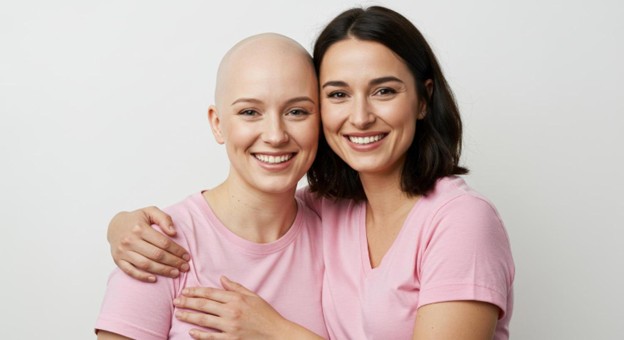
Oncology estheticians provide modified skincare treatments specifically designed for people going through cancer treatment or recovering afterward. Cancer destroys more than cells. Chemotherapy turns skin paper-thin and impossibly dry. Radiation creates burns that look like severe sunburn but hurt worse and heal slower. Surgical scars pull and ache. Medications trigger rashes nobody warned patients about.
Standard facials don’t work for these clients. The products are too harsh. The techniques apply too much pressure. The environment doesn’t account for compromised immune systems or extreme sensitivity.
We’ve trained estheticians who specialize in this work, and they tell us the services look different from regular spa treatments. Gentler pressure. Shorter sessions. Simpler products. More conversation and emotional support.
You’re working in cancer centers, hospitals partnering with oncology departments, medical spas with oncology specialists on staff, or private practices built around serving this population. Some practitioners travel to clients’ homes when treatment leaves them too exhausted to go out.
The services include modified facials using products safe for treatment-ravaged skin, lymphatic massage for clients dealing with swelling, scar work after surgeries, makeup instruction for covering treatment effects, and scalp care during hair loss.
You’re part skincare expert, part emotional support system, part educator helping people understand what’s happening to their skin and how to manage it.
Getting Licensed in Illinois Comes First
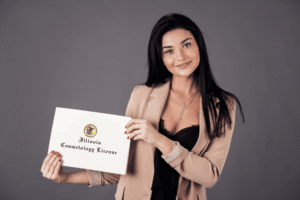
Illinois won’t let you touch anyone’s face professionally without proper licensing, and oncology work is no exception.
You need 750 hours of esthetics training through a state-approved program. The training takes roughly six to nine months if you’re attending full-time, longer if you’re balancing work or family and going part-time.
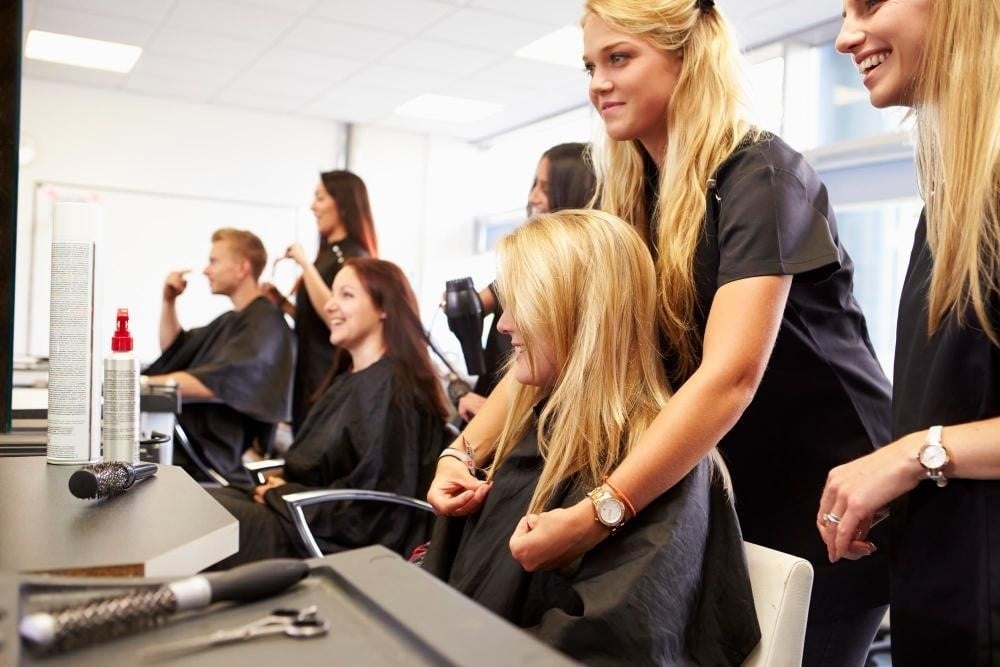
During those 750 hours, you’re learning skin structure and function, facial treatment techniques, hair removal, makeup application, sanitation protocols, and Illinois-specific regulations. You’ll practice on classmates and real clients in our student clinics.
After finishing your hours, you sit for the state licensing exam through the Illinois Department of Financial and Professional Regulation. There’s a written portion testing your knowledge and a practical portion where you demonstrate technique.
Pass both parts, pay your fees, and you’re licensed to work as an esthetician anywhere in Illinois.
But here’s the thing—that license alone doesn’t prepare you for oncology work. You know general esthetics. You don’t know how chemotherapy affects skin healing or which ingredients are dangerous for immunocompromised clients.
Oncology esthetics requires specialized training on top of your basic license. Think of your esthetics license as your foundation. Oncology certification is the specialized structure you build on top.
What You’ll Learn in Oncology Training
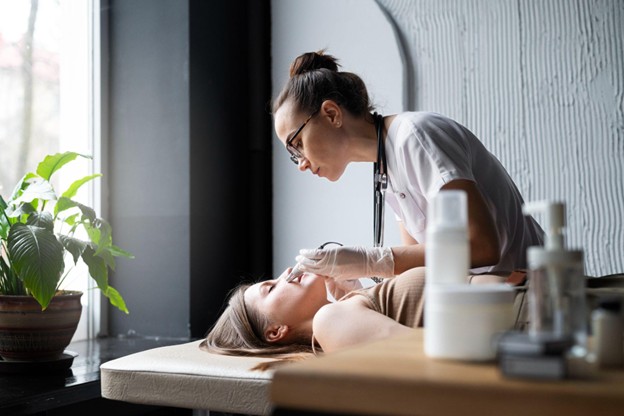
You’ll learn how different chemotherapy drugs affect skin. Cisplatin causes severe dryness and sun sensitivity. Fluorouracil triggers hand-foot syndrome with painful peeling. Taxanes affect nail beds and can cause permanent nail loss. Doxorubicin leads to hyperpigmentation and photosensitivity.
Radiation therapy creates both immediate and long-term tissue changes. The skin becomes fragile, heals slowly, and tears easily even months after treatment ends. Understanding radiation field effects is critical for safe treatment.
Standard facial techniques get completely reimagined for oncology clients. Pressure becomes feather-light. Treatment times shorten to 30-45 minutes instead of 60-90. No extractions during active treatment. No temperature extremes that could stress compromised skin.
You’ll learn lymphatic drainage techniques specifically designed for cancer patients, avoiding areas where lymph nodes have been removed or radiation administered.
Training covers which ingredients are absolutely prohibited during treatment (retinoids, acids, essential oils, fragrances) and which gentle formulations support healing without irritation.
You’ll learn to read ingredient labels with medical precision, understanding that even “natural” products can cause problems for immunocompromised clients.
Your sanitation protocols need to be flawless. One contaminated tool or improperly cleaned surface could cause serious infection in someone whose immune system can’t fight back. Training emphasizes hospital-grade disinfection, barrier precautions, and recognizing early signs of infection that require immediate medical attention.
The Emotional Reality Nobody Prepares You For
We need to be honest about something most training programs don’t emphasize enough. This work will break your heart regularly. You’re working with people who are terrified they’re dying. Who’ve lost their hair, their eyebrows, their sense of self. Who are exhausted from treatment and scared of what comes next. Who sometimes don’t make it.
One of our graduates works in a cancer center in Rockford. She described building a relationship with a client over six months, learning about her grandkids, her garden, her plans for after treatment. Then the client stopped coming. The nurses told her gently that she’d moved to hospice care.
That’s the reality. You build relationships with vulnerable people during the worst time of their lives. Sometimes they survive and thrive and send you photos from their daughter’s wedding. Sometimes they don’t.
You need boundaries while staying genuinely compassionate. You can’t absorb everyone’s fear and pain, but you can’t wall yourself off completely either. Finding that balance is hard.
Some people thrive in this environment. They find it the most meaningful work they’ve ever done, and the emotional weight feels worth it. Others realize after trying it that it’s too heavy for long-term practice.
We’re not saying this to discourage you. We’re saying it because going in unprepared leads to burnout, compassion fatigue, and potentially leaving a career you might have loved if you’d known what to expect.
Where Oncology Estheticians Work in Illinois
Illinois has decent opportunities for this specialty, though they’re concentrated in certain areas.
Major Medical Centers
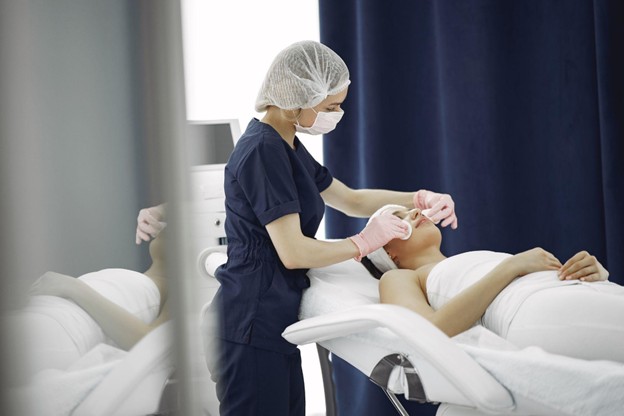
The Chicago metro area has the most positions. Many clinics, universities and health centers have integrative medicine programs. Some include esthetician services as part of supportive cancer care.
These positions typically offer regular hours, employee benefits, and steady income. Oncology esthetician salary rounds up to $35,000-$50,000 annually. You’re working within established protocols with medical team support.
Medical Spas and Wellness Centers
Medical spas partnering with oncology practices create safe spaces for cancer patients who want professional skincare with specialized protocols. These facilities are growing as awareness spreads about oncology esthetics.
Income here varies based on whether you’re employed or contract work, typically ranging from $40,000-$65,000.
Private Practice
Some estheticians build entire practices around oncology clients, getting referrals from oncologists, cancer support groups, and former clients. This route offers the highest income potential, $60,000-$80,000 or more, but you’re building everything yourself.
Mobile Services
Traveling to clients’ homes when they’re too ill to visit treatment rooms fills a real need. Many cancer patients can’t drive during treatment or lack energy for appointments outside their homes.
Mobile oncology esthetics can supplement other income streams or become a full practice. Overhead is lower, but you’re managing travel time and equipment transport.
Building Your Oncology Career Step-by-Step
Getting established in this field requires deliberate planning and patience.
Step 1: Complete Your Illinois Esthetics License (Months 0-9)
Start with quality esthetics training. At Cosmetology & Spa Academy, we prepare students with strong technical foundations, proper sanitation protocols, and client interaction skills. Call 815-455-5900 or email info@csa.edu to learn about our esthetics programs.
Step 2: Gain General Esthetics Experience (Year 1-2)
Work in a spa, salon, or medical spa for at least one year. Get comfortable with normal skin responses, perfect your techniques, build confidence with diverse clients.
This experience is crucial. You need to understand how healthy skin behaves before you can recognize abnormal responses in compromised clients.
Step 3: Complete Oncology Certification (During Year 1-2)
While working your regular esthetics job, pursue specialized certification. Study evenings and weekends while maintaining your practice.
The investment is around $600-$900 plus study time. Most working estheticians complete certification in 3-6 months while employed.
Step 4: Volunteer with Cancer Support Programs (During Year 2)
Sign up with Look Good Feel Better through the American Cancer Society. Volunteer at local workshops where you’ll work with cancer patients in supportive group settings.
This gives you supervised experience with the population before working independently. It also builds your reputation in the oncology community.
Step 5: Network with Oncology Providers (Ongoing)
Once you start looking for oncology esthetician jobs, you need to introduce yourself to oncologists, oncology nurses, and social workers at local cancer centers. Explain your specialized oncology esthetician training and interest in serving their patients.
Medical professionals need to trust you before they’ll refer patients. Building these relationships takes time and consistent professional presence.
Step 6: Add Complementary Skills (Years 2-3)
Consider additional certifications that enhance oncology work:
- Lymphatic drainage massage
- Scar therapy techniques
- Medical tattooing for areola restoration
- Oncology massage (different from regular massage)
Each skill makes you more valuable and opens additional service opportunities.
Step 7: Market Your Specialized Services
Create marketing materials emphasizing your oncology training, understanding of treatment effects, and safe protocols for vulnerable clients. Your website, social media, and printed materials should use clinical language that resonates with medical professionals while remaining accessible to patients.
Join online groups and local cancer support communities where you can share resources and build visibility.

Essential Resources for Illinois Oncology Estheticians
Training and Certification:
Clinical Resources:
- “Oncology Esthetics: A Practitioner’s Guide” by Morag Currin (comprehensive clinical textbook)
- National Cancer Institute: (reliable information on treatments and side effects)
Illinois Licensing Information:
- Illinois Department of Financial and Professional Regulation (Search “esthetician license” for current requirements and renewal information)
Continuing Education:
- PubMed (research on cancer treatment skin effects)
- Oncology Nursing Society (clinical updates on treatment side effects)
Products and Protocols for Safe Treatment
Working with cancer patients means completely rethinking your product selection and treatment approach.
Safe Product Guidelines
Use fragrance-free, hypoallergenic formulations with minimal ingredients. Brands like Vanicream, CeraVe, and La Roche-Posay offer appropriate options for compromised skin at reasonable prices.
Avoid during active treatment:
- Essential oils (even “natural” ones irritate)
- Retinoids and retinol
- Alpha and beta hydroxy acids
- Vitamin C serums
- Any product with fragrance
- Mechanical exfoliants
Focus on:
- Gentle, pH-balanced cleansers
- Barrier repair moisturizers with ceramides
- Mineral-based sunscreens
- Hydrating serums with hyaluronic acid
- Soothing ingredients like colloidal oatmeal
Modified Treatment Protocols
Treatments become shorter and gentler. A typical oncology facial runs 30-45 minutes instead of the standard 60-90.
Pressure stays extremely light. Think butterfly touch, not deep tissue work. No extractions during active treatment when healing is compromised.
Skip steam, hot towels, and cold globes. Temperature extremes stress already fragile skin.
Lymphatic drainage replaces traditional massage for clients who’ve had lymph nodes removed. Learn the specific drainage pathways and prohibited areas.
Documentation Requirements
Track more than typical esthetician notes. Record:
- Current cancer treatment status
- Medications affecting skin
- Radiation field locations
- Surgery sites and dates
- Immune system status
- Any skin reactions or concerns
Coordinate with the client’s oncology team when you notice anything concerning—new rashes, signs of infection, unexpected reactions.
What We Tell Students Considering This Path
Start with quality esthetics training that builds strong technical foundations. Then gain experience, pursue specialized courses to become a certified oncology esthetician, and slowly build your oncology practice while maintaining other income sources.
This career rewards patience, compassion, and commitment to ongoing learning. If that describes you, the work is deeply fulfilling. Contact us to discuss esthetics training and how it can lead to specialized oncology work. We’re happy to answer questions about your career path.