Learn advanced esthetician treatments including microdermabrasion, chemical peels, and LED therapy. Boost your earning potential in Illinois’s growing skincare market.
Every Esthetician Should Master: Microdermabrasion, Chemical Peels & LED Therapy
The esthetics industry is booming in Illinois, with medical spas and advanced skincare clinics opening throughout Chicago, Naperville, and beyond. Basic facials are great, but if you want to command premium rates and stand out in Illinois’s competitive market, you need to master advanced treatments.
At Cosmetology and Spa Academy, we prepare students not just for entry-level work, but for the high-paying specializations that Illinois clients increasingly demand. This guide covers three advanced treatments every serious esthetician should master: microdermabrasion, chemical peels, and LED light therapy.
These aren’t just buzzwords—they’re revenue generators that can take your income from $30,000-40,000 annually to $50,000-70,000+ as a skilled specialist in Illinois.
Why Advanced Treatments Matter for Illinois Estheticians
The skincare industry has evolved dramatically. Clients today are more educated about ingredients, treatments, and results. They’re not satisfied with a relaxing facial anymore—they want measurable improvements in their skin. This creates incredible opportunities for estheticians who invest in advanced training.
Medical estheticians and advanced skincare specialists are among the top-paying beauty careers in Illinois, especially in affluent markets like Lincoln Park, Oak Park, and the North Shore suburbs. Treatments like microdermabrasion and chemical peels allow you to address real skin concerns—acne scarring, hyperpigmentation, fine lines, uneven texture—and charge $100-300 per session instead of $50-80 for basic facials.
Plus, these treatments create loyal, repeat clients. Someone getting a basic facial might come quarterly, but clients on a peel or microdermabrasion treatment plan typically book every 3-4 weeks for months.
Microdermabrasion: Resurfacing for Radiant Skin
Microdermabrasion is a non-invasive exfoliation treatment that removes the outermost layer of dead skin cells, revealing fresh, glowing skin underneath. Think of it as advanced exfoliation that goes deeper than anything you can achieve with manual scrubs or enzymes.
The treatment uses either crystal microdermabrasion (tiny crystals spray across skin and vacuum away) or diamond-tip microdermabrasion (a diamond-tipped wand manually abrades the skin). Most modern Illinois spas prefer diamond-tip systems because they’re cleaner, more controlled, and don’t risk inhaling crystals.
What microdermabrasion treats: Dull skin, fine lines, mild acne scarring, sun damage, enlarged pores, uneven texture, and mild hyperpigmentation. It’s perfect for Illinois clients dealing with skin damage from harsh winters and intense summer sun exposure.
How it works: The abrading action removes dead cells while the suction stimulates blood flow and collagen production. This triggers the skin’s natural healing response, promoting fresh cell turnover and revealing brighter, smoother skin over time.
Treatment protocol: Most clients need a series of 6-10 treatments spaced 2-4 weeks apart for optimal results, followed by monthly maintenance. This creates predictable, recurring revenue for your business.
Contraindications to watch for: Active acne breakouts, rosacea flares, very sensitive skin, recent Accutane use, active infections, or skin cancer. Always perform a thorough consultation before treatment.
Illinois pricing: Chicago and suburbs typically charge $75-150 per session, with package discounts for multiple treatments. That’s significantly more than basic facials while requiring about the same time investment.
The key to mastering microdermabrasion is understanding pressure and technique. Too aggressive on thin skin around eyes can cause damage. Too light on thicker skin provides minimal results. Practice on different skin types to develop the sensitivity needed for customization.
Chemical Peels: Transformative Results Layer by Layer
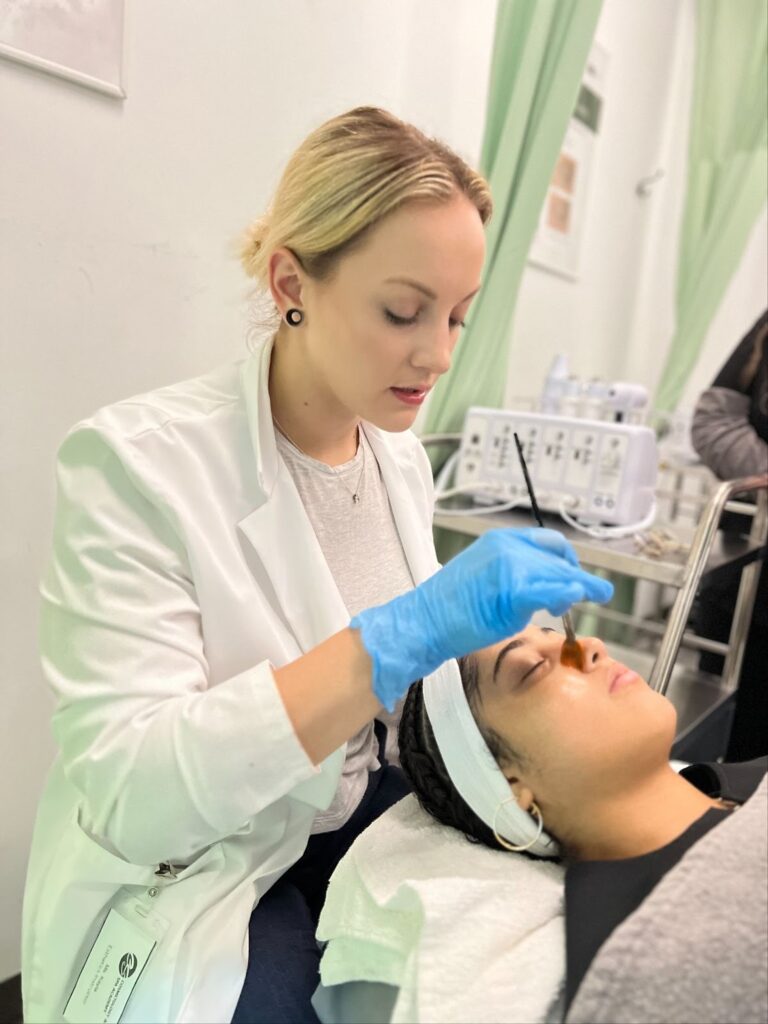
Chemical peels use acids to dissolve the bonds between dead skin cells, causing controlled exfoliation. They range from superficial peels you can perform with basic esthetician training to medium-depth peels that require advanced certification in most Illinois facilities.
Unlike microdermabrasion which physically removes surface cells, chemical peels chemically dissolve them. This allows deeper penetration and can address more significant skin concerns. Peels are incredibly popular in Illinois because they deliver dramatic results without the downtime of lasers or surgery.
Types of peels estheticians can perform:
Superficial peels (alpha hydroxy acids like glycolic and lactic, beta hydroxy acids like salicylic, or enzyme peels) work on the outermost layer. They’re perfect for brightening, smoothing texture, and maintaining healthy skin. Clients might experience mild flaking for 2-3 days but can typically return to normal activities immediately.
Medium-depth peels (higher concentration AHAs, TCA peels at lower percentages) penetrate to the middle layer of skin. These address more serious concerns like moderate hyperpigmentation, acne scarring, and deeper wrinkles. Downtime increases to about a week with more obvious peeling and redness.
Deep peels (high-concentration TCA or phenol) require medical supervision and fall outside most estheticians’ scope of practice. Know your limits and refer clients to dermatologists when appropriate.
Choosing the right peel: Glycolic acid works beautifully for aging skin and sun damage. Salicylic acid is ideal for acne-prone and oily skin since it’s oil-soluble and penetrates pores. Lactic acid is gentler and better for sensitive or dry skin. Enzyme peels are the most gentle option for very sensitive skin that can’t tolerate acids.
The treatment process: After thorough cleansing and degreasing, you apply the peel solution evenly across treatment areas. Timing is critical—leave it on too long and you risk over-exfoliation or burns; remove it too soon and results disappoint. Most superficial peels stay on 3-10 minutes depending on strength and client tolerance.
Watch for frost (whitening) or excessive erythema (redness) which signals it’s time to neutralize. Some peels self-neutralize, others require a neutralizing solution. Follow manufacturer protocols exactly—chemical peels are powerful tools that demand respect and precision.
Post-treatment care is crucial: Clients must avoid sun exposure, use SPF 30+ daily, and keep skin moisturized as it heels. Peeling typically starts 2-3 days post-treatment and lasts 3-5 days. Educate clients that picking or peeling skin prematurely causes scarring.
Building a peel program: Offer a series of progressive peels, starting gentle and increasing strength as skin tolerates. A typical protocol might be 4-6 treatments spaced 2-4 weeks apart, with strength increasing at each session.
Illinois regulations: Always check current regulations with the Illinois Department of Financial and Professional Regulation regarding which peels require additional certification or medical supervision. Rules can vary based on acid type and concentration.
Pricing in Illinois: Superficial peels typically run $75-150, while medium-depth peels command $150-300 in Chicago and suburban markets. Package pricing encourages clients to commit to full series, securing your revenue.
Many estheticians who complete training through schools like Cosmetology and Spa Academy go on to get advanced certifications in specific peel systems. Brands like VI Peel, PCA Skin, and SkinMedica offer professional training that adds credibility and expertise.
LED Light Therapy: High-Tech Treatment with Zero Downtime
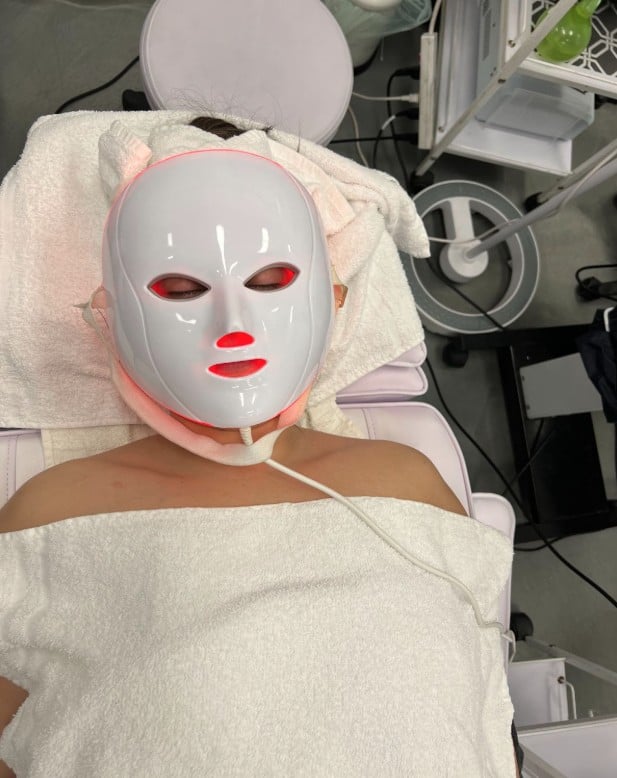
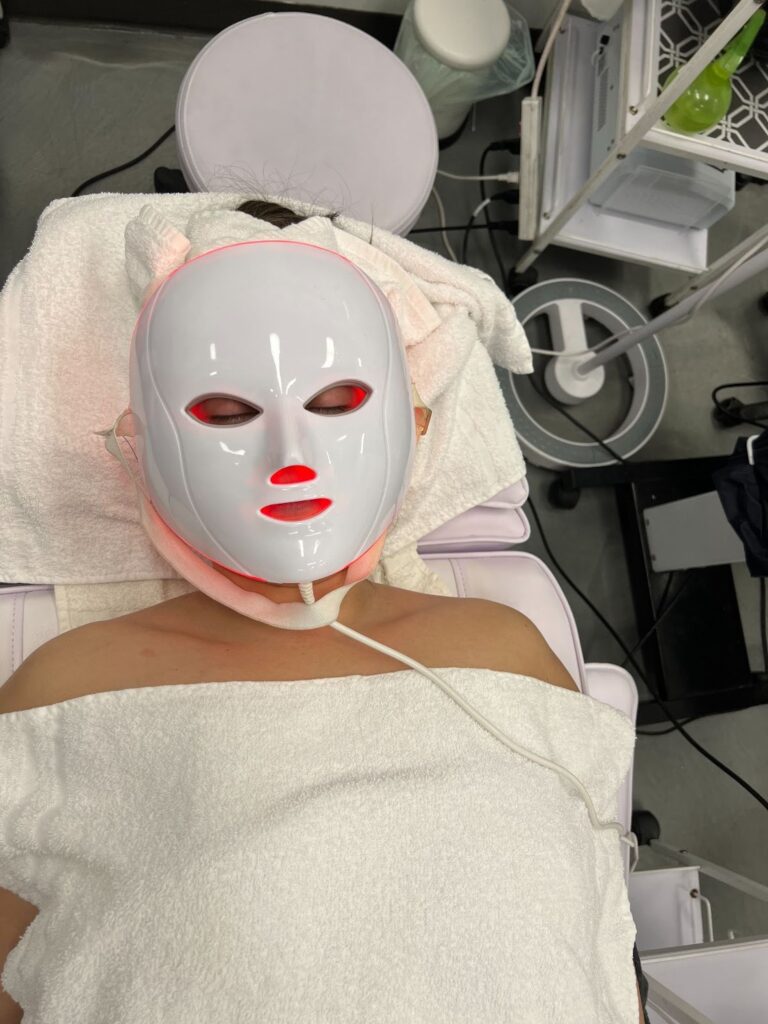
LED (light-emitting diode) therapy uses specific wavelengths of light to trigger different biological responses in skin cells. It sounds futuristic, but the science is solid and FDA-cleared. Best of all, it has virtually no contraindications or downtime, making it an easy add-on service or standalone treatment.
How LED therapy works: Different light wavelengths penetrate to different skin depths and trigger specific cellular responses. Red light (630-700nm wavelength) penetrates deepest, stimulating fibroblasts to produce more collagen and elastin while reducing inflammation. Blue light (400-470nm) stays more superficial, targeting acne-causing bacteria and helping regulate oil production. Some systems also offer amber, green, or near-infrared wavelengths for additional benefits.
What LED treats: Red light addresses fine lines, wrinkles, inflammation, and wound healing—perfect for Illinois clients battling environmental aging. Blue light tackles active acne and helps prevent future breakouts. Many estheticians combine both for clients with aging skin and occasional breakouts.
Treatment protocols: LED requires consistent sessions for visible results. Typically clients need 8-12 treatments done 2-3 times weekly initially, followed by weekly or monthly maintenance. Each session lasts 15-30 minutes depending on the device.
This creates a different revenue model than peels or microdermabrasion. While individual LED sessions might only charge $40-75, the frequent visits and potential for package sales make it profitable. Plus, LED requires no consumable products—once you own the equipment, overhead is minimal.
Combining treatments for maximum impact: LED therapy shines (pun intended) as a finishing treatment after other services. Post-microdermabrasion LED reduces redness and accelerates healing. Post-peel LED calms inflammation and speeds recovery. Post-extraction LED kills bacteria and prevents post-facial breakouts.
Many Illinois estheticians include LED as a complimentary add-on to premium facials, using it as a value-add that justifies higher pricing. A basic facial might be $75, but that same facial with added microdermabrasion and LED finishing can easily command $150-175.
Equipment investment: Professional LED panels range from $500 for basic handheld devices to $5,000+ for full-panel systems. Research carefully and choose devices that are FDA-cleared and backed by clinical studies. Cheaper consumer-grade devices don’t provide the power needed for professional results.
The client experience: LED is completely passive and pain-free. Clients simply relax under the lights while listening to music or meditating. This makes it attractive for clients who want results without discomfort—a growing segment of the Illinois market.
Continuing Education and Certification
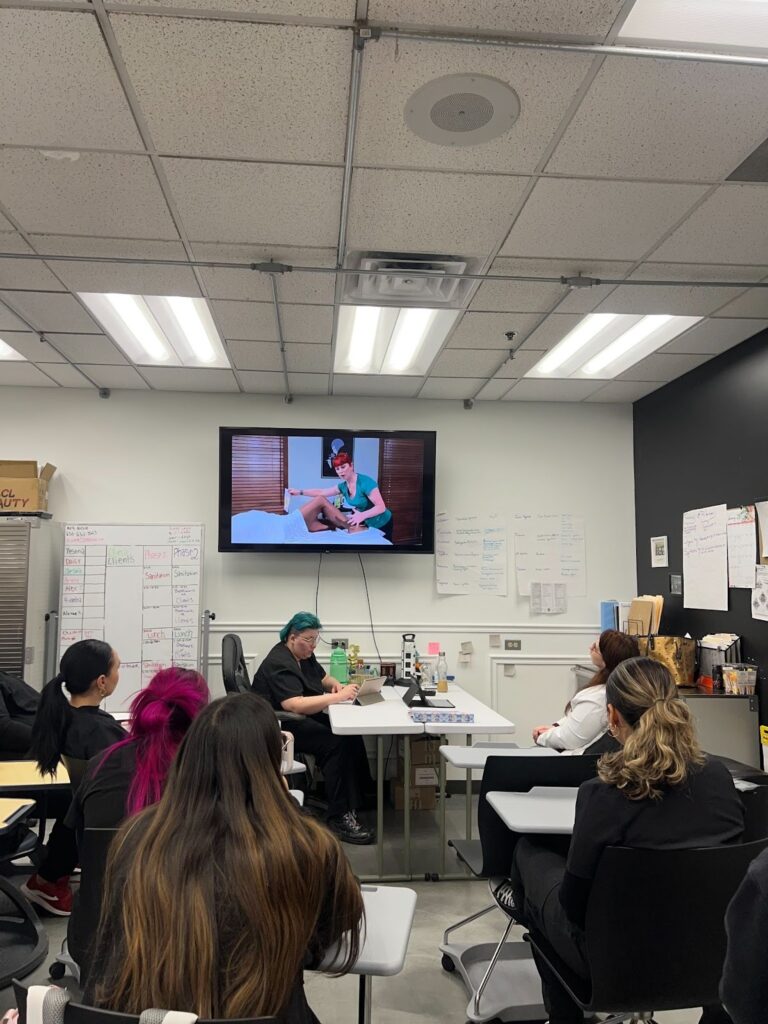
Your Illinois esthetician license provides the foundation, but advanced treatments require additional training. Most equipment manufacturers offer certification courses when you purchase their systems. Take advantage of these—they teach not just how to use the equipment, but how to customize treatments for different skin types and concerns.
Professional organizations like Associated Skin Care Professionals (ASCP) and Esthetics International Association offer advanced training and networking opportunities for Illinois estheticians. Attending events like the Premiere Show in Chicago connects you with educators and keeps you current on industry trends.
Some Illinois estheticians pursue additional certifications in medical esthetics, oncology esthetics, or specific modalities like dermaplaning or microneedling. These specializations command even higher rates and open doors to medical spa positions paying $50,000-70,000+ annually.
The Business of Advanced Treatments
Advanced treatments require significant investment in equipment and training, but the ROI is strong. A $3,000 microdermabrasion machine pays for itself after about 20-30 full-price treatments. A $2,000 LED panel pays for itself after 40-50 uses. The real profit comes from the recurring revenue these treatments generate.
Market these services through before-and-after photos on social media (with client permission), educational content explaining benefits, and consultation-based selling. Illinois clients are willing to invest in their skin when they understand the science and see proof of results.
Consider offering discovery packages at reduced rates for first-time clients, then transitioning them to full-price treatment plans. For example, “Try microdermabrasion for $75 (normally $120)” gets people in the door, then you convert them to a 6-session package at full price.
Many successful Illinois estheticians build thriving practices focused exclusively on advanced corrective treatments, moving away from basic relaxation facials entirely. This positions you as a clinical skincare expert rather than a spa service provider—a distinction that justifies premium pricing.
Your Path to Becoming an Advanced Esthetician
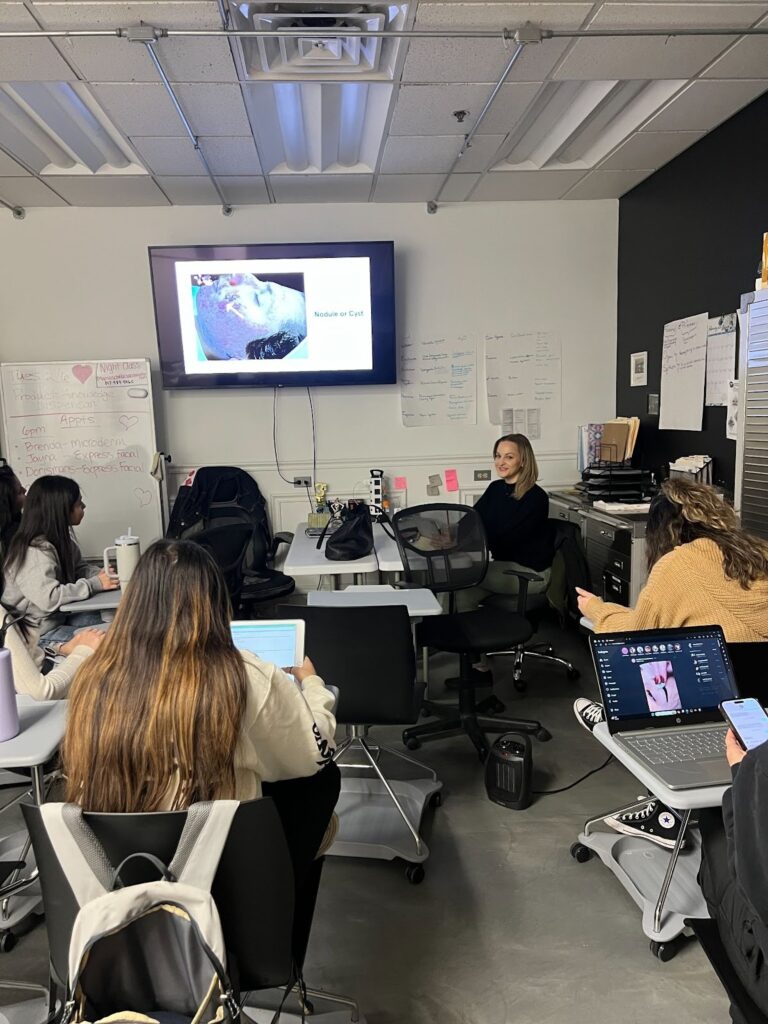
Mastering advanced treatments separates you from the competition in Illinois’s growing esthetics market. Whether you’re currently studying at Cosmetology and Spa Academy or already licensed and looking to level up, investing in these skills pays dividends throughout your career.
Start by choosing one modality to master deeply before adding others. Perfect your microdermabrasion technique until you can confidently customize pressure and patterns for every skin type. Or become known as the chemical peel specialist in your Illinois area. Specialization builds reputation faster than being mediocre at everything.
The estheticians earning top rates in Chicago, Oak Park, Naperville, and throughout Illinois aren’t just technically skilled—they understand skin science, can analyze complex concerns, and create customized treatment plans that deliver real results. That expertise starts with education and grows through continued learning and practice.
Related Articles:
- How to Become an Esthetician
- How to Become a Medical Esthetician
- Esthetician License Requirements in Chicago
- Top Paying Beauty Careers in Illinois
Ready to become an advanced esthetician? Learn more about our Esthetics program at Cosmetology and Spa Academy where we provide the foundation for a lucrative skincare career.