
Ever tried a haircut you loved on someone else, only to find it didn’t look the same on you? It probably wasn’t the stylist or the cut. More often, it comes down to face shape.
Quick answer: To choose the best haircut for your face shape, first compare the width of your forehead, cheekbones and jaw with the length of your face. Then pick a cut that balances it: add length and height for round faces, soften angles for square faces, add volume at the jaw for heart-shaped faces, and add width or bangs for long faces. Oval faces suit almost any cut.
Stylists use face shape as a starting point in every consultation. Once you know yours, you can walk into the salon with a much clearer idea of what to ask for.
Key Takeaways
- There are seven common face shapes: oval, round, square, heart, oblong, diamond and triangle.
- The goal of a cut is balance: add what your shape lacks and soften what it emphasizes.
- Bangs, layers, part placement and where the length ends do most of the work.
- Men’s cuts follow the same rules, with height on top and beard shape as extra tools.
- Hair texture and lifestyle matter as much as face shape.
How to Find Your Face Shape
You need a mirror, a hair tie and a soft measuring tape, or just your eyes. Pull your hair back off your face and look straight ahead, then take four measurements:
- Forehead: across the widest part, between your hairline on each side.
- Cheekbones: across the widest point, just below the outer corners of your eyes.
- Jawline: from the tip of your chin to just below one ear, then double it.
- Face length: from the center of your hairline down to the tip of your chin.
Now compare them:
| Face shape | How to recognize it | Haircut goal |
|---|---|---|
| Oval | Longer than it is wide; forehead slightly wider than the jaw; soft, rounded jawline | Almost anything works |
| Round | Length and width about equal; full cheeks; soft, curved jawline | Add length and angles |
| Square | Forehead, cheekbones and jaw about the same width; strong, angular jaw | Soften the angles |
| Heart | Wider forehead and cheekbones; narrow, sometimes pointed chin | Add volume at the jaw |
| Oblong (rectangle) | Noticeably longer than it is wide; forehead, cheeks and jaw similar in width | Add width, shorten length |
| Diamond | Cheekbones are the widest point; narrow forehead and chin | Add fullness at forehead and jaw |
| Triangle (pear) | Jawline wider than the forehead | Add volume at the crown |
Most people are a mix of two shapes, and that’s completely normal. Use the closest match as your starting point.
Best Haircuts for an Oval Face
Oval faces are the most balanced shape, so almost any cut works. You can experiment freely with length, layers and bangs.
- Try: blunt bobs, long layers, curtain bangs, pixie cuts, shags
- Tip: Avoid very heavy bangs that hide your whole forehead, since they can shorten the face.
Best Haircuts for a Round Face
The goal for a round face is to add the illusion of length and angles.
- Try: long layers that start below the chin, a long bob (lob) that hits the collarbone, side-swept bangs, a deep side part, or a textured pixie with height on top
- Avoid: chin-length blunt bobs and heavy, rounded volume at the cheeks
A little height at the crown goes a long way. It draws the eye upward and makes the face appear longer.
Best Haircuts for a Square Face
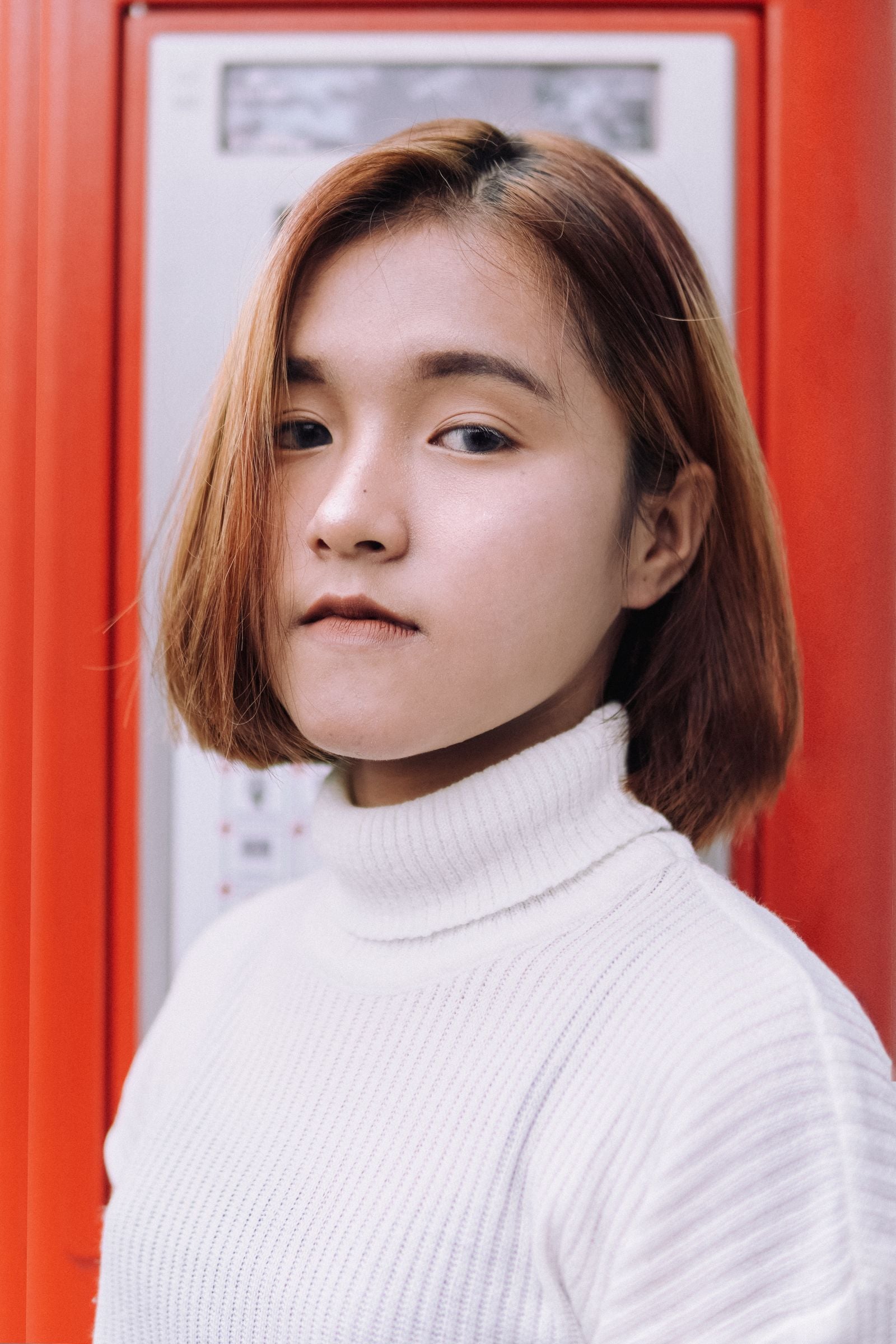
Square faces have a strong, defined jawline. The goal is to soften the angles without hiding them.
- Try: soft, wispy layers, face-framing pieces around the jaw, side-swept bangs, long waves or a textured lob
- Avoid: very blunt cuts that end right at the jaw, which can emphasize width
Waves and curls are especially flattering because they add soft movement around the face.
Best Haircuts for a Heart-Shaped Face
Heart-shaped faces are wider at the top and narrow at the chin, so the goal is to add volume around the lower half of the face.
- Try: chin-length or shoulder-length bobs, curtain bangs, side-swept fringe, and layers that start at the chin
- Avoid: lots of volume at the crown and very short, slicked-back styles
Curtain bangs balance a wider forehead and draw attention to the eyes and cheekbones.
Best Haircuts for an Oblong Face
Oblong faces are long and narrow, so the goal is to add width and break up length.
- Try: blunt or curtain bangs, chin-length bobs, volume at the sides, soft curls and shoulder-length cuts with layers
- Avoid: very long, straight hair with no layers and too much height at the crown
Bangs are one of the fastest ways to make an oblong face look more balanced.
Best Haircuts for a Diamond Face
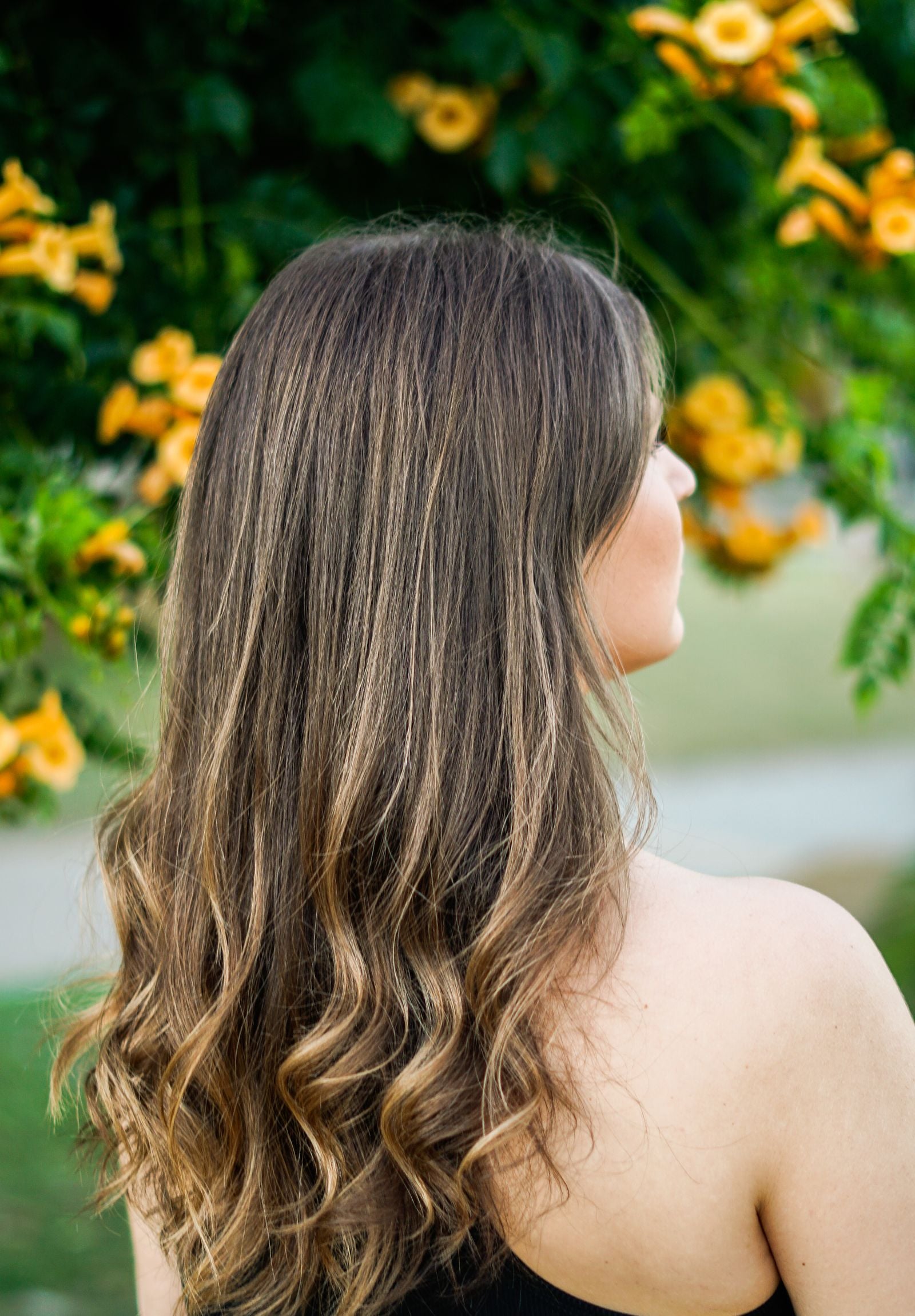
Diamond faces have striking cheekbones with a narrow forehead and chin. The goal is to soften the cheekbones and add fullness at the forehead and jaw.
- Try: side-swept bangs, chin-length bobs, tucked-behind-the-ear styles, and long layers with volume at the ends
- Avoid: volume right at the cheekbones and center parts with flat, straight hair
Best Haircuts for a Triangle Face
Triangle faces are wider at the jaw. The goal is to add width and volume at the top.
- Try: layered cuts with volume at the crown, side-swept bangs, and shoulder-length or longer styles that fall past the jaw
- Avoid: chin-length bobs that end at the widest part of the jaw
Haircuts by Face Shape for Men
Face shape matters just as much in the barber’s chair.
| Face shape | Best men’s haircuts |
|---|---|
| Oval | Almost anything: quiff, pompadour, crew cut, textured crop, side part |
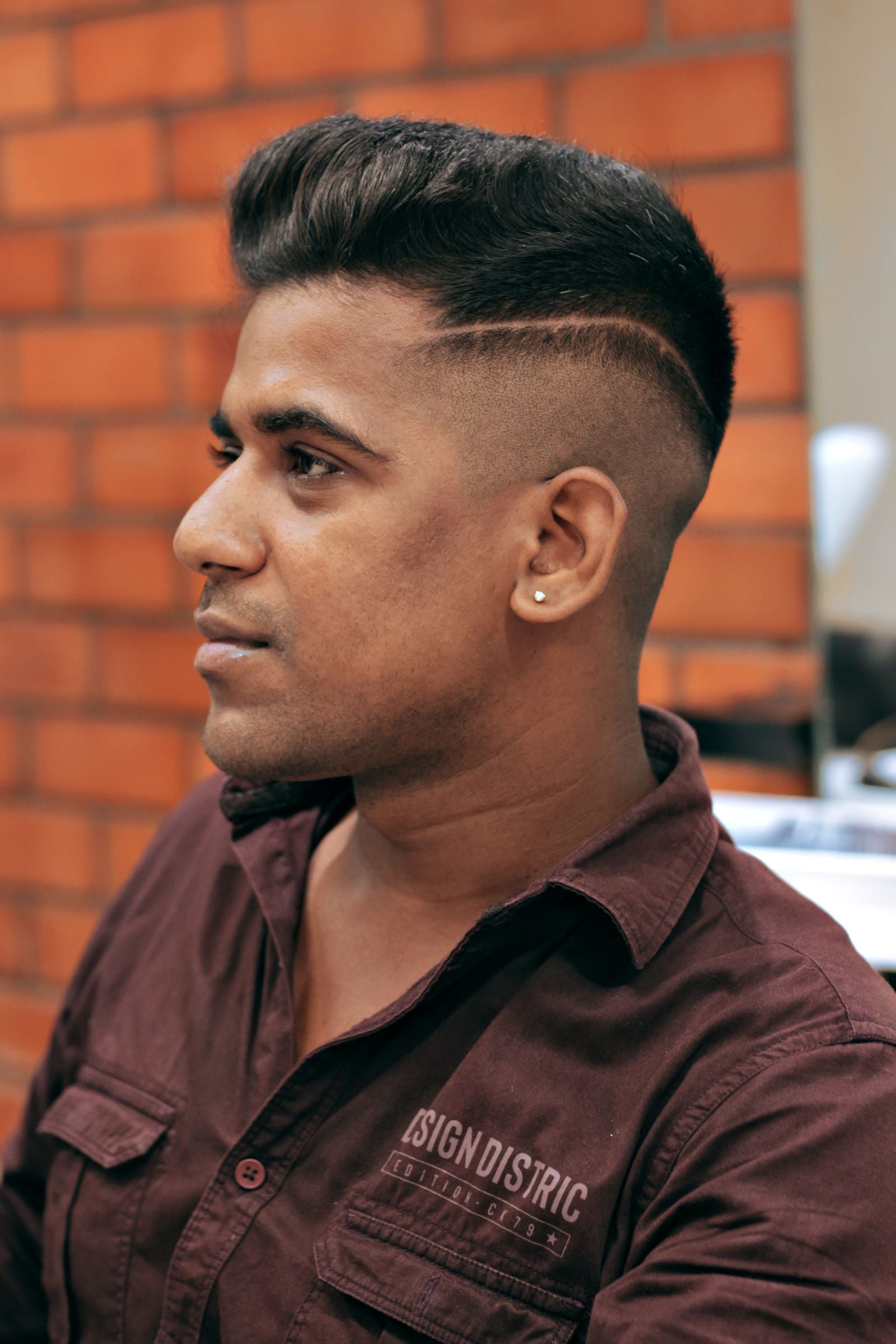
| Round | Fade with height on top, pompadour, faux hawk, angular fringe |
| Square | Classic side part, crew cut, buzz cut, short textured crop |
| Oblong | Side part with medium length, fringe, low fade (avoid too much height on top) |
| Heart | Medium-length textured styles, side-swept fringe, low taper |
| Diamond | Fringe, textured top, slightly longer sides to balance the cheekbones |
Height on top lengthens a round face, while keeping the sides a little longer softens a long or angular face. Not sure how high your fade should start? Our guide to the types of fades shows low, mid and high fades side by side.
Facial hair can balance your face shape too. A fuller beard adds width to a narrow face, while a shorter, squared beard adds structure to a round one. See our guide to beard styles every barber must master.
Face Shape Isn’t the Only Factor
Face shape is a great starting point, but a skilled stylist looks at the full picture:
- Hair texture and density. Fine, thick, wavy and coily hair all behave differently, and a cut that works on straight hair may need adjusting for curls. Our hair texture guide explains why.
- Lifestyle and upkeep. How much time do you spend styling each morning, and how often can you come back? Short, precise cuts need trims more often. See how often you should get a haircut for each length.
- Cowlicks and growth patterns. These can make or break bangs and short cuts.
- Features you love. Want to show off your cheekbones, eyes or neck? The right cut can highlight them.
- Color. Lighter and darker tones can contour the face, just like makeup. Learn more in balayage vs. highlights and our guide to finding your skin tone and undertones.
These are guidelines, not rules. If you love a cut that “isn’t meant” for your face shape, a great stylist can usually adapt it to work for you.
How to Talk to Your Stylist About Your Next Cut
- Bring photos of cuts you love, ideally on people with a similar face shape and hair texture.
- Point out what you like in each photo, whether it’s the length, the bangs or the layers.
- Be honest about your routine and how often you can come back for trims.
- Ask for their opinion. Stylists are trained to read proportions and can suggest small tweaks that make a big difference.
Want to see a great consultation from the stylist’s side? Read our article on client consultation skills. For more cut inspiration, browse the haircuts clients keep asking for in 2026.
Find Your Perfect Cut at Our Student Salon
Ready for a new look? Book a consultation and haircut at our student salon or barber studio. Advanced students work under the supervision of licensed instructors to create cuts that suit your face, hair and lifestyle, at a price that’s easy on your wallet. Visit us in Crystal Lake, Elgin, Rockford or Schaumburg.
If you’re the friend everyone asks for hair advice, you might love a career behind the chair. Learn more about our cosmetology program.
Frequently Asked Questions
What is the most common face shape?
Oval and round are among the most common face shapes, and many people are a combination of two shapes, such as oval-heart or round-square.
What haircut makes your face look thinner?
Long layers that start below the chin, side-swept bangs and a little height at the crown all help elongate the face. Avoid blunt cuts that end at the widest part of your face.
Are bangs good for a round face?
Side-swept or long curtain bangs work well on round faces. Short, blunt bangs can make the face look wider, so they’re usually best avoided.
What haircut suits every face shape?
The long bob, or lob, is often called the most universally flattering cut. It can be adjusted with layers, texture and part placement to suit almost any face.
How do I know if I have a heart or diamond face shape?
If your forehead is the widest part of your face, it’s likely heart-shaped. If your cheekbones are the widest point and both your forehead and chin are narrower, it’s likely diamond.
Can a haircut really change how my face looks?
Yes. Length, layers, volume and bangs all change where the eye is drawn. The right cut can soften angles, add length or create balance, which is why consultations matter so much.