
A fade is a haircut in which the hair gets gradually shorter from the top of the head down to the neckline and around the ears, blending into bare skin or very short hair. The main types of fades are named for where the blend starts (low, mid or high) and how short it finishes (taper, skin or bald), while drop and burst fades add a curved shape. Below you will see how each one looks, who it suits and exactly how to ask for it.
This guide is written from the barber chair side, the way barber students learn it, so you can walk into any shop and say precisely what you want.
Types of Fades at a Glance
| Fade | Where it starts | How short it gets | Contrast | Good to know |
|---|---|---|---|---|
| Low fade | Just above the ear and around the nape | Skin or a very short guard | Subtle | A common first fade; keeps most of the side hair |
| Mid fade | Around the temple, halfway up the side | Skin or a short guard | Medium | Works with most top lengths and styles |
| High fade | Above the temple, high on the head | Usually skin | Bold | Sharpest look; regrowth shows soonest |
| Taper fade | Sideburns and neckline only | Short, not always to skin | Soft | Classic and conservative; leaves more length |
| Skin (bald) fade | Any height | Down to bare skin | Very sharp | Finished with a foil shaver or razor |
| Drop fade | Curves down behind the ear | Skin or a short guard | Medium to bold | Follows the shape of the skull |
| Burst fade | Semicircle around the ear | Skin or a short guard | Bold | Keeps length at the back and top |
Low, Mid and High Fade: How to Tell Them Apart
The height of a fade is the biggest decision you will make. It controls how much of the side of your head is short and how dramatic the contrast looks. The diagram shows the three heights side by side: the dashed line is where the hair reaches full length.
Low Fade
A low fade begins just above the ear and curves around the back of the head to the nape. Because the blend stays low, most of the hair on the sides remains, so the look is subtle. It is a common choice for first-time fade clients and for workplaces where a clean, understated cut is expected.
Mid Fade
A mid fade begins around the temple, about halfway between the ear and the top of the head. It shows clearer contrast than a low fade without exposing as much skin as a high fade, which is why it pairs with so many top styles: textured crops, quiffs, curls and slick-backs.
High Fade
A high fade starts well above the temple, so the sides are short or skin-short almost to the top of the head. It gives the boldest contrast of the three and a very defined top. It looks sharp, but regrowth shows sooner, so expect more frequent visits.
Taper, Skin Fade, Drop Fade and Burst Fade
Height is only half of the picture. These four styles change how short the hair finishes or what shape the blend follows, and each one can be combined with a low, mid or high start.
Taper Fade
A taper fade shortens the hair gradually around the sideburns and the neckline, and usually leaves visible length at the bottom. It is the most classic and conservative option, and it grows out gracefully.
Skin (Bald) Fade
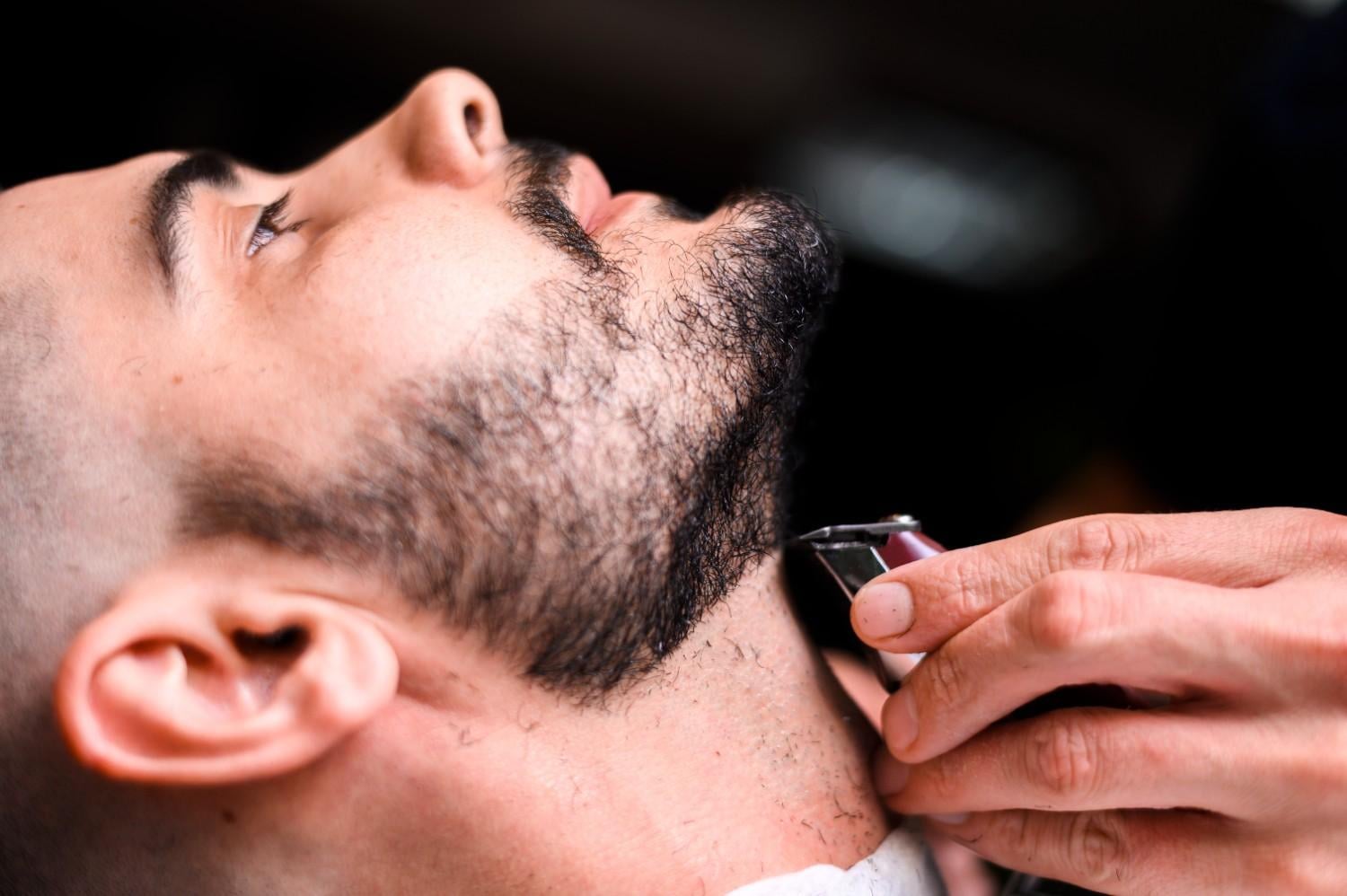
A skin fade, also called a bald fade, finishes at bare skin. Barbers take the bottom of the blend down with a foil shaver or a razor, which creates the sharpest contrast. It can start low, mid or high, and it needs the most frequent upkeep.
Drop Fade
In a drop fade the fade line curves down behind the ear instead of running straight around the head, so the shape follows the skull. It adds movement to the cut and pairs well with longer tops.
Burst Fade
A burst fade fades in a semicircle around the ear while keeping length at the back of the head. It is often seen with mohawks, mullets and curls, where the contrast around the ear frames the longer hair behind it.
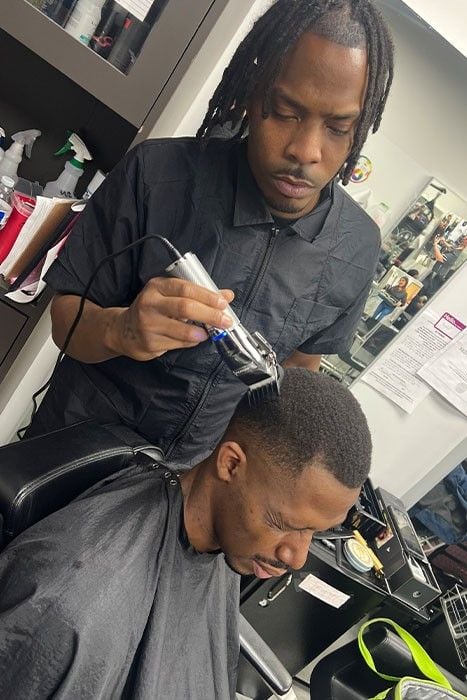
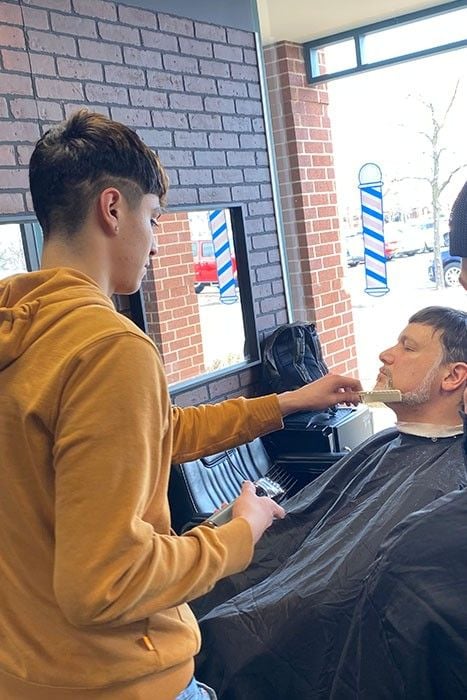
Fade vs Taper: What Is the Difference?
Both blend longer hair into shorter hair, but a taper does it over a smaller area. Some shops use the two words interchangeably, so describing where the blend should start and how short it should end is clearer than relying on the name.
- Taper: works around the sideburns and neckline, normally leaves visible length at the bottom and gives a soft, classic look.
- Fade: covers more of the sides and back, usually finishes much shorter (often skin) and gives stronger contrast.
How a Fade Is Built: Guard Numbers and Blending
Barbers build a fade in steps. They start at the bottom with the shortest setting, work upward with progressively longer clipper guards, and then blend the lines with an adjustable clipper, a small trimmer or scissor-over-comb. Guard sizes vary by brand, but on most sets No. 1 is 1/8 inch (3 mm), No. 2 is 1/4 inch (6 mm), No. 3 is 3/8 inch (10 mm) and No. 4 is 1/2 inch (13 mm). The shortest setting uses no guard, and a foil shaver or razor takes the very bottom to bare skin.
Which Fade Suits Your Hair and Style?
Any fade can work on any hair type, but the details change with texture. For a deeper look at how texture affects cutting and styling, see our hair texture guide.
- Straight and wavy hair: low and mid fades keep a natural look, while a high fade gives maximum contrast.
- Curly and coily hair: a fade creates a clean contrast between longer curls on top and short sides. The blend shows very clearly on coily textures, so the barber’s blending skill matters and shorter visit intervals help it stay crisp.
- Thin or receding hair: many barbers suggest a softer blend, such as a low fade or a taper, because a high-contrast fade can make thinning areas more noticeable. Ask your barber what they recommend for your hairline.
- Long hair on top: a mid or low fade keeps the shape balanced, because the fade only affects the sides and back and the top can stay as long as you like.
How to Ask Your Barber for the Right Fade
Four details remove nearly all the guesswork:
- Where the fade starts: low, mid or high.
- How short it finishes: down to skin, or a guard number such as a No. 1.
- Top length and style: how much length you want and whether you style it textured, combed or swept back.
- Neckline and beard: a blocked, rounded or tapered neckline, and whether your beard should blend into the fade.
For example: “Mid skin fade, curved drop behind the ear, two inches on top, tapered neckline, blend into my beard.” Bringing a photo helps too. For more on beards, read our guide to beard styles every barber must master.
How Often Do You Need a Touch-Up?
A fade looks its sharpest in the first week or two. Many clients book every two to four weeks to keep the lines crisp. Skin fades and high fades show regrowth soonest, while low fades and tapers grow out more gracefully.
How Barbers Learn to Fade
Fading takes practice because every head shape, growth pattern and hair texture changes how a blend sits. At Cosmetology & Spa Academy, students in the barber program learn classic barbering and modern cuts, and they work with real clients in the on-site salon under instructor supervision. Curious about the timeline? Read how long barber school takes, or see the basics in our tips on cutting men’s hair.
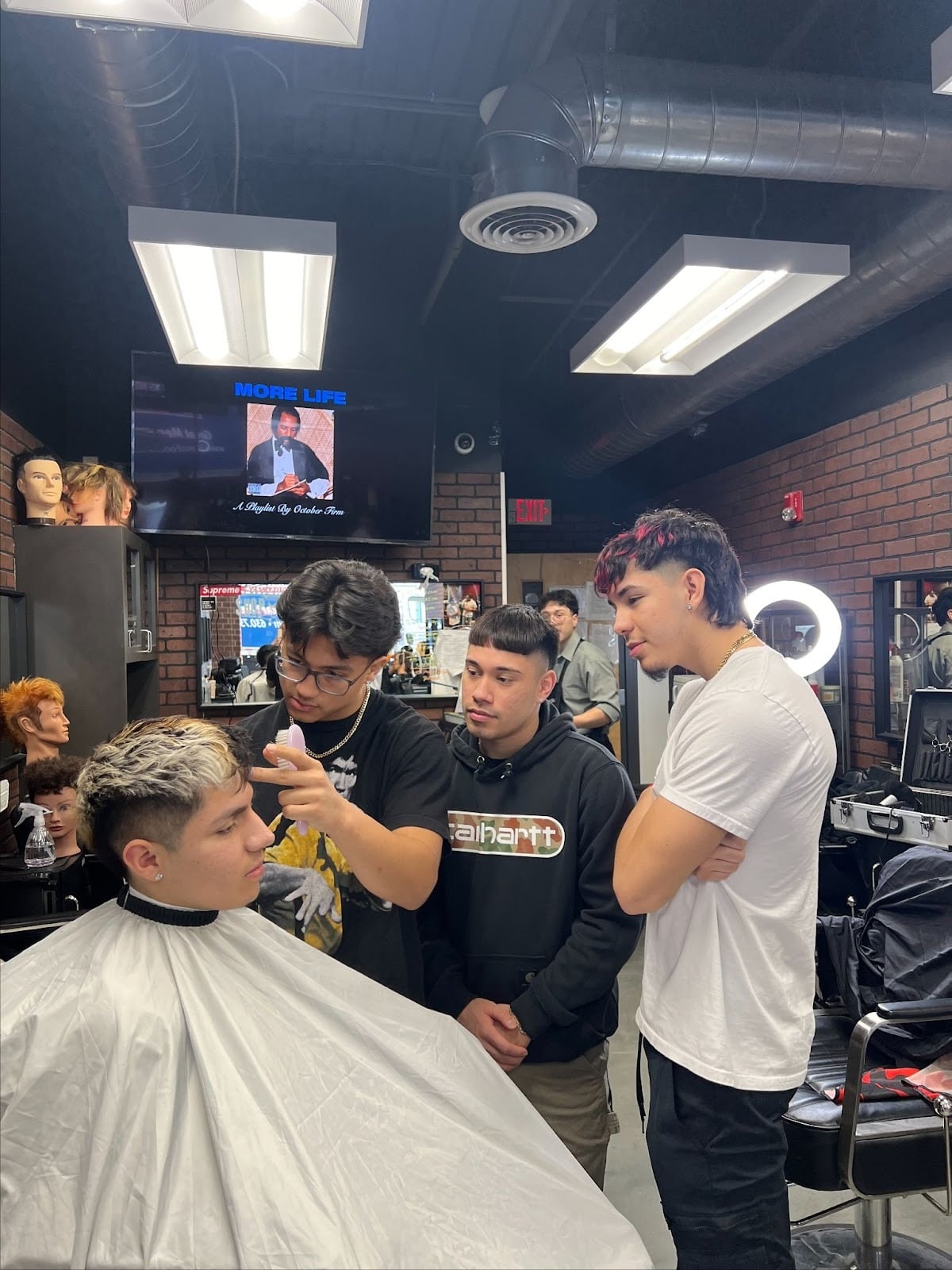
The best way to see how it works is in person. Book a tour to meet instructors and watch students at work.
FAQs About Types of Fades
What is the difference between a low fade and a mid fade?
A low fade starts just above the ear and keeps most of the side hair. A mid fade starts around the temple, so more of the side is short and the contrast is stronger.
Is a taper the same as a fade?
Not exactly. A taper shortens the hair around the sideburns and neckline and usually leaves some length, while a fade covers more of the sides and back and often finishes at the skin. Some barbers use the terms interchangeably, so describe the result you want.
What clipper guard number is used for a fade?
There is no single number. Barbers work through several guards, from no guard or a No. 1 at the bottom up to a No. 3 or No. 4 before blending into the longer hair on top.
Which fade is best for curly or coily hair?
Low, mid, drop and skin fades all work well. The contrast between tight curls on top and short sides is very visible, so the quality of the blend matters more than the specific name.
Can I get a fade with long hair on top?
Yes. A fade only changes the sides and back, so the top can stay long and be cut with scissors for the shape you want.
How long does a fade last?
Most people refresh a fade every two to four weeks. Skin fades and high fades start to look grown out sooner than low fades and tapers.