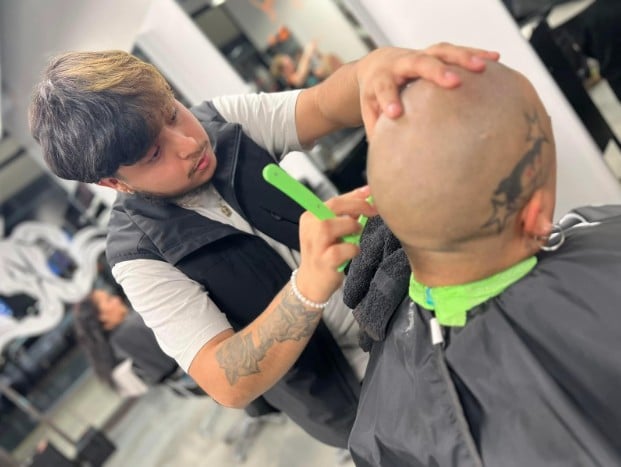


Master advanced barbering techniques including fades, beard sculpting, and men’s grooming. Essential skills for barbers in Illinois’s growing men’s grooming market.
The Ultimate Guide to Men’s Grooming: Advanced Barbering Techniques for Modern Barbers
The men’s grooming industry is exploding in Illinois. What was once a simple haircut has evolved into a sophisticated service experience with fades, beard sculpting, hot towel shaves, and detailed line work. Chicago, Rockford, and suburbs across Illinois are seeing barbershops thrive as men invest more in their appearance than ever before.
At Cosmetology and Spa Academy, our barbering program prepares you for this booming market by teaching not just the basics, but the advanced techniques that command premium prices and build loyal clientele. This guide covers the essential skills every modern Illinois barber needs to master.
Whether you’re currently enrolled in our program or considering becoming a barber in Illinois, these techniques will set you apart in a competitive market.
Why Advanced Barbering Techniques Matter in Illinois
The barbering industry has transformed dramatically. Today’s Illinois clients expect precision fades, detailed beard work, and styled finishes—not just a basic clipper cut. They’re willing to pay $40-80 for a haircut in Chicago and $30-60 in smaller Illinois cities, but only if you deliver exceptional results consistently.
Barbers who master advanced techniques command these premium prices while building waiting lists of loyal clients. The difference between a $20 haircut and a $60 haircut often comes down to technical execution—the crisp fade, the clean line work, the attention to detail that separates good barbers from great ones.
Illinois markets like Chicago’s Logan Square, Wicker Park, and downtown areas support thriving barbershops charging top rates. Even in smaller cities like Peoria, Bloomington, and Springfield, skilled barbers build successful careers. The demand is there—you just need the technical skills to capture it.
Mastering the Fade: Foundation of Modern Barbering
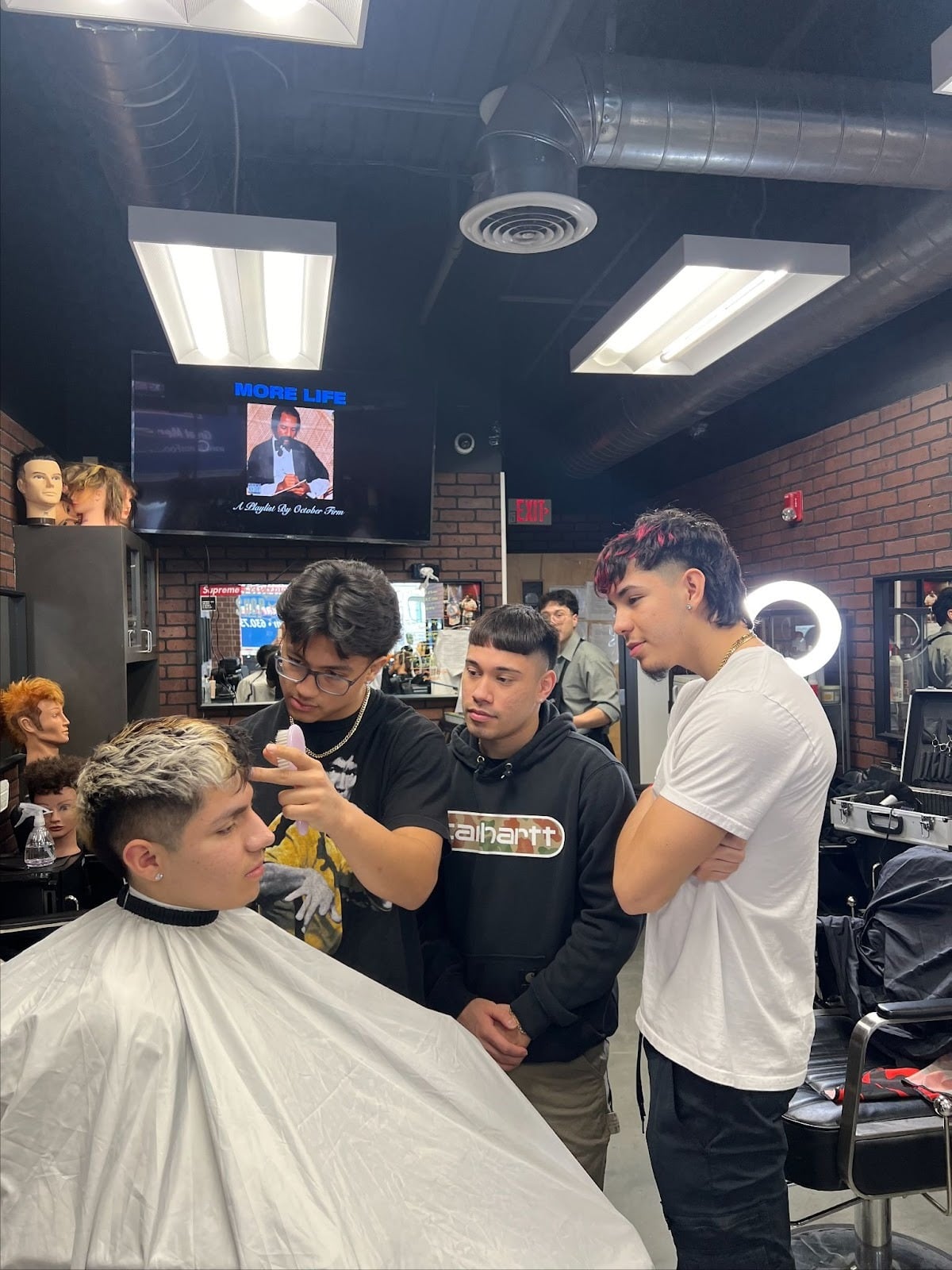
The fade is the cornerstone of contemporary barbering. It’s what clients request most and what separates skilled barbers from beginners. A perfect fade requires understanding clipper guard blending, proper tension, and creating seamless transitions from skin to hair.
The fade starts at the bottom—typically at the hairline—and gradually blends upward into longer hair on top. This gradient effect can be low (starting just above the ear), mid (starting at the temple), or high (starting well above the temple). Each placement creates a different look and suits different face shapes and personal styles.
Achieving a flawless fade requires mastering clipper-over-comb technique. This method allows you to remove weight and blend areas that guards alone can’t reach smoothly. Hold the comb at the correct angle—too flat and you’ll create harsh lines, too steep and you won’t remove enough hair. The comb moves slowly upward while the clipper follows, shaving hair that extends past the comb’s teeth.
Most barbers use a progression of guards: maybe starting with a 0 or 0.5 at the bottom, blending to a 1, then 1.5, then 2, gradually increasing length as you move up. The magic happens in the blending zones between each guard length. This is where you use half guards, clipper-over-comb, and detailed work to create seamless transitions instead of visible lines.
Pay special attention to the “fade line”—the curved line that runs around the head where the fade transitions to the longer top section. This line should be smooth and follow the natural shape of the head. Many beginners create a fade that’s too steep or has bumps and irregularities. Consistent practice develops the eye and muscle memory to create even, balanced fades every time.
Illinois clients are savvy about fades thanks to social media. They bring photos of crisp, clean fades and expect you to deliver the same quality. The only way to meet these expectations is through deliberate practice and understanding the fundamentals.
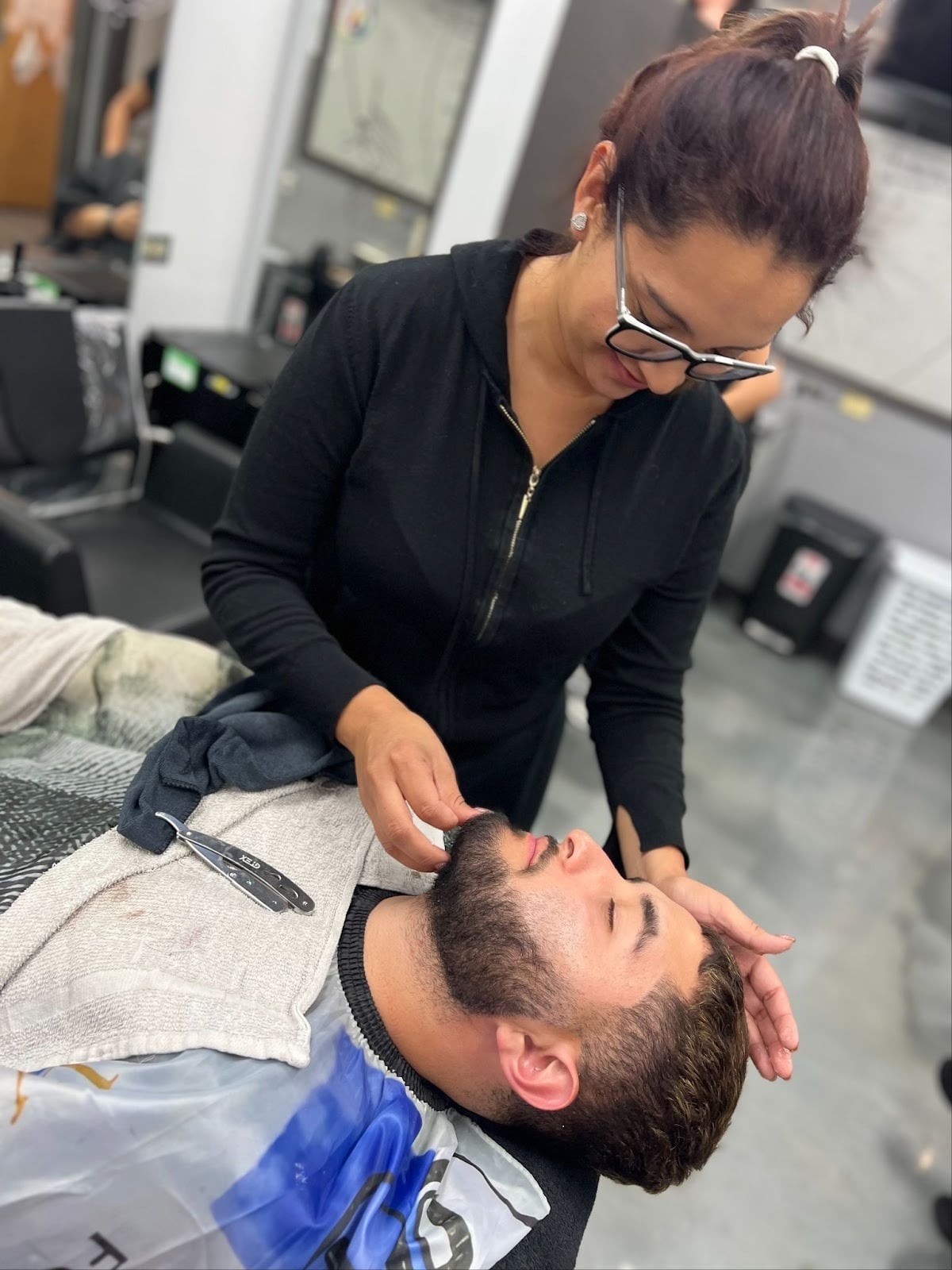
Beard Sculpting and Grooming
Beards have become a major revenue stream for Illinois barbers. Many clients book beard trims more frequently than haircuts—sometimes weekly for line-up maintenance, every 2-3 weeks for full beard services. Mastering beard work significantly increases your earning potential.
Start every beard service with a consultation about their desired length, shape, and style. Some guys want full, natural beards just cleaned up. Others want sharp, defined lines with sculpted cheek lines and neck lines. Understanding their goal prevents you from removing too much or creating a shape they don’t want.
The cheek line defines where beard meets bare skin on the cheek. Natural cheek lines follow where hair grows naturally, but many guys prefer lowered, defined lines for a cleaner look. Use a trimmer or straight razor to create a smooth, symmetrical line from sideburn to mustache. Asymmetry here is immediately visible and looks unprofessional, so take your time ensuring both sides match.
The neck line is equally critical. Too high and the beard looks thin and unnatural. Too low and it looks unkempt. The standard guideline is placing the line about one finger width above the Adam’s apple, creating a rounded or slightly angled line that follows the natural jawline. Some clients prefer more aggressive lines; others want softer, more natural edges. Always clarify preferences before cutting.
Beard density varies dramatically between clients. Thin, patchy beards require different techniques than thick, coarse beards. For thin beards, leave more length and avoid over-defining lines which can emphasize patches. For thick beards, remove bulk through the interior using thinning shears or clipper-over-comb to prevent the “poof ball” effect while maintaining length.
Blend the beard into the haircut seamlessly. The sideburn area is where beard meets hair, and beginners often create visible disconnection here. Use your trimmers or shears to graduate length smoothly from beard to sideburn to haircut, creating cohesive flow instead of harsh transitions.
Finish beard services with quality products. Apply beard oil or balm, explaining how it softens hair and prevents itching. Many Illinois barbers retail these products, creating additional revenue while genuinely helping clients maintain their beards between appointments. This is similar to how estheticians recommend skincare after advanced facial treatments—the professional recommendation carries weight.
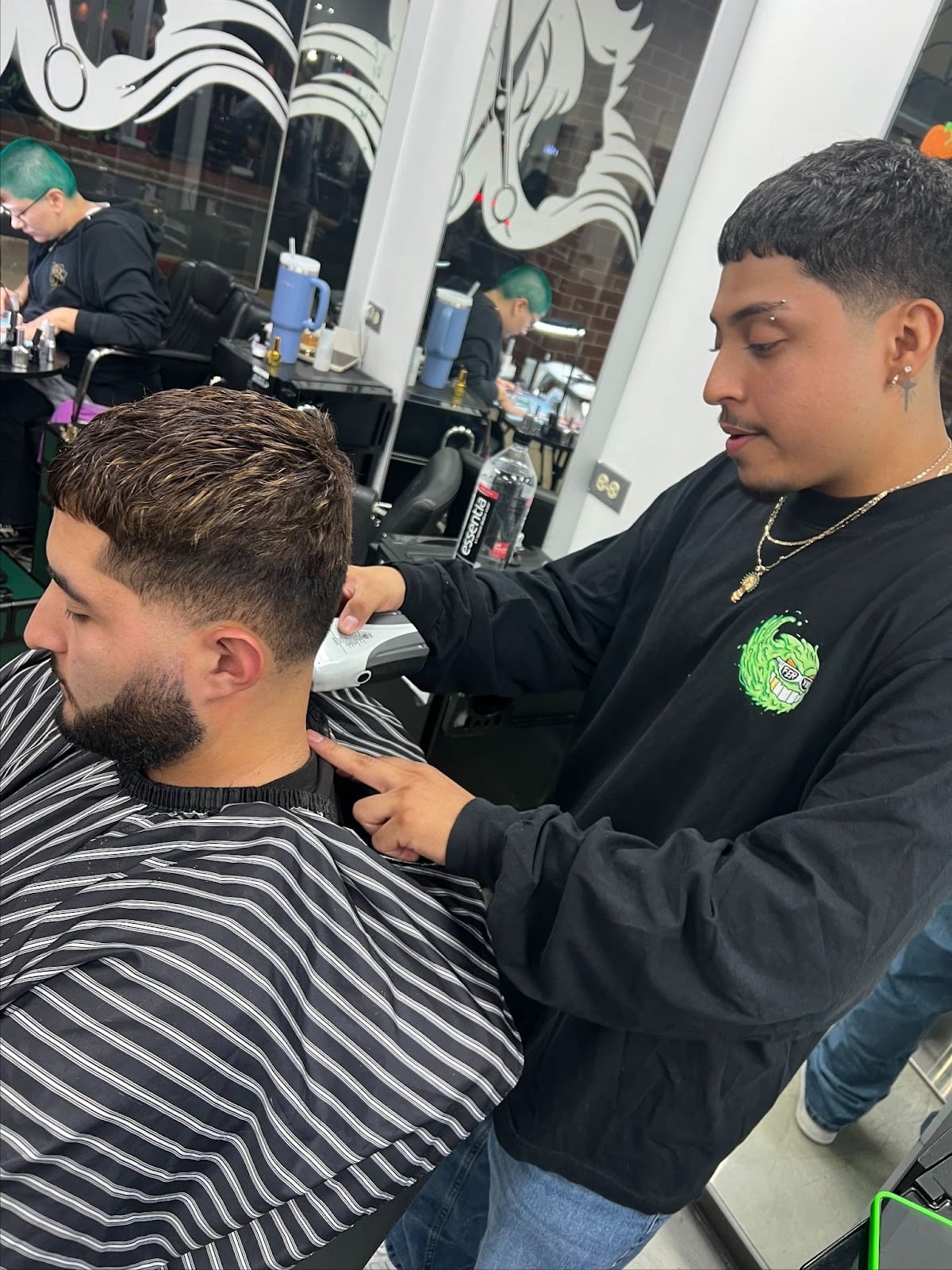
Line Work and Detail: The Finishing Touch
Crisp, clean lines separate professional work from amateur attempts. The hairline around ears, across the forehead, and down the nape requires careful attention and steady hands.
Start with clean, properly maintained tools. Dull trimmers create ragged lines no matter how skilled you are. Sharpen or replace blades regularly and clean trimmers between every client to prevent buildup that affects performance.
For the hairline around ears, use your trimmer to create smooth, natural-looking curves. Remove stray hairs but don’t over-trim—hairlines should look clean but not artificial. Pay attention to symmetry; one ear sitting higher than the other is immediately noticeable.
The forehead line work can be natural (following the existing hairline) or shaped (creating a more defined edge). Younger clients often prefer sharper, more defined lines. Older clients typically prefer natural, softer edges that look less “done.” Always ask before shaping aggressively.
The nape presents choices. A natural nape follows the existing hairline. A blocked nape creates a horizontal line across the neck—popular for fades and shorter styles. A tapered nape gradually fades hair into skin—versatile and grows out cleanly. Choose based on the overall haircut style and how frequently the client plans to return.
Use straight razors or edgers for the sharpest possible lines. This requires confidence and practice—one slip creates a nick or removes too much hair. Start with less aggressive line work until you develop the steady hand needed for razor-sharp edges.
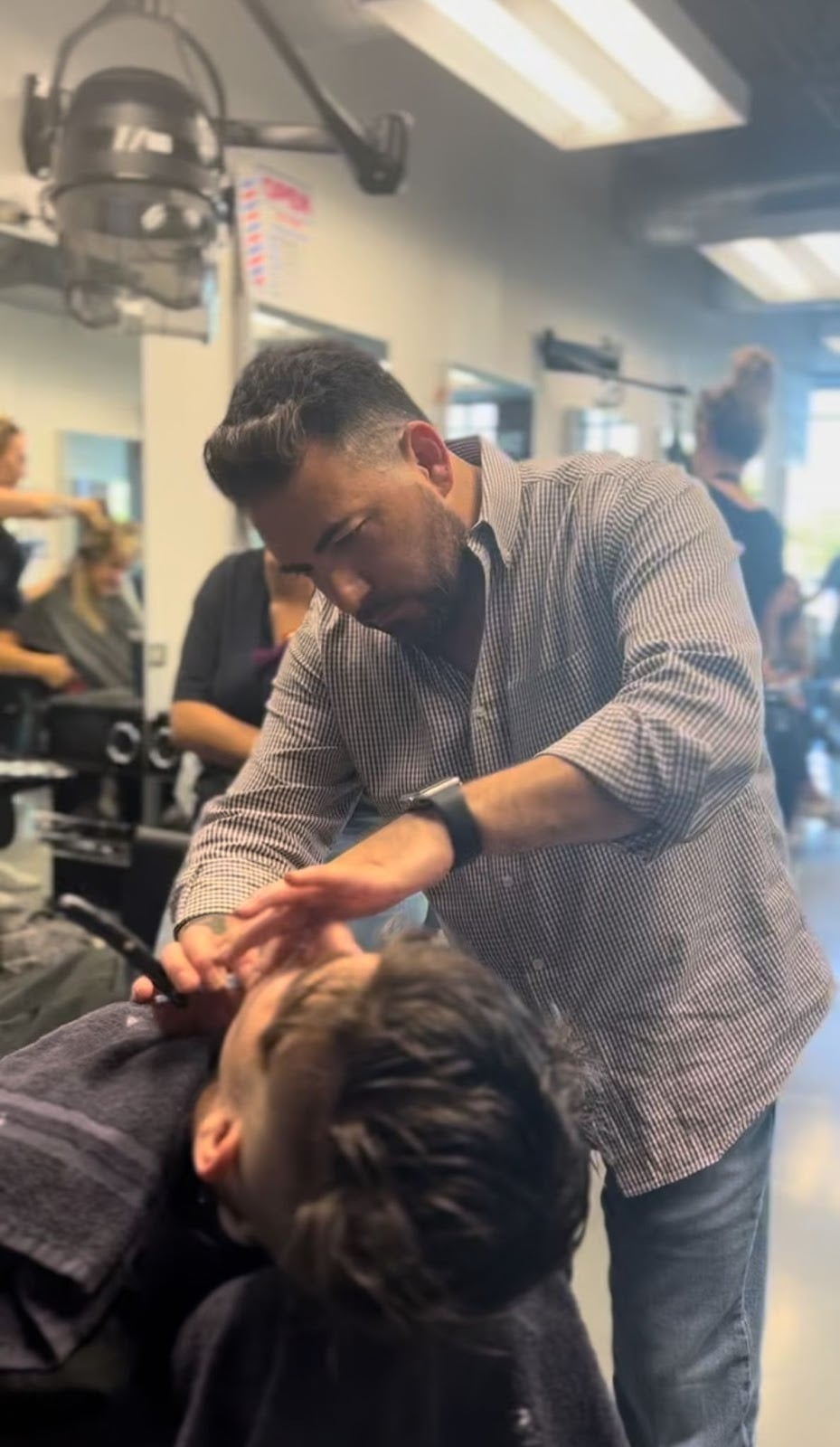
Hot Towel Shaves and Classic Techniques
Hot towel shaves represent the premium service in men’s grooming—part barbering, part spa experience. This traditional service is making a strong comeback in Illinois, especially in upscale barbershops in Chicago, Oak Park, and Naperville.
The hot towel shave begins with preparation. Steam or hot towels soften facial hair and open pores, making shaving easier and more comfortable. Apply pre-shave oil to create a protective barrier between razor and skin, reducing irritation.
Traditional shaving cream whipped with a brush creates luxurious lather while further softening hair. The brush also provides light exfoliation, prepping skin for the razor. This ritualistic preparation is part of what clients pay for—the experience matters as much as the result.
Straight razor technique requires extensive practice. Hold the razor at roughly 30 degrees to the skin, using short, controlled strokes with the grain of hair growth. Keep skin taut with your free hand to create an even shaving surface. Never rush—slow, deliberate strokes produce better results and prevent nicks.
Most barbers do multiple passes: first with the grain to remove bulk, then across the grain for closer results, and sometimes against the grain for ultra-smooth finishes (though this increases irritation risk on sensitive skin). Between passes, reapply lather to protect skin.
After shaving, apply cold towels to close pores and soothe skin. Finish with alcohol-free aftershave or balm to prevent irritation and leave skin feeling refreshed. The entire service typically takes 30-45 minutes and commands $40-70 in Illinois markets.
Not every barber offers straight razor shaves due to the additional training, licensing requirements, and insurance considerations. But those who master this service create a unique selling point that attracts clients seeking premium experiences. It’s similar to how advanced esthetician treatments allow skincare professionals to charge premium rates.
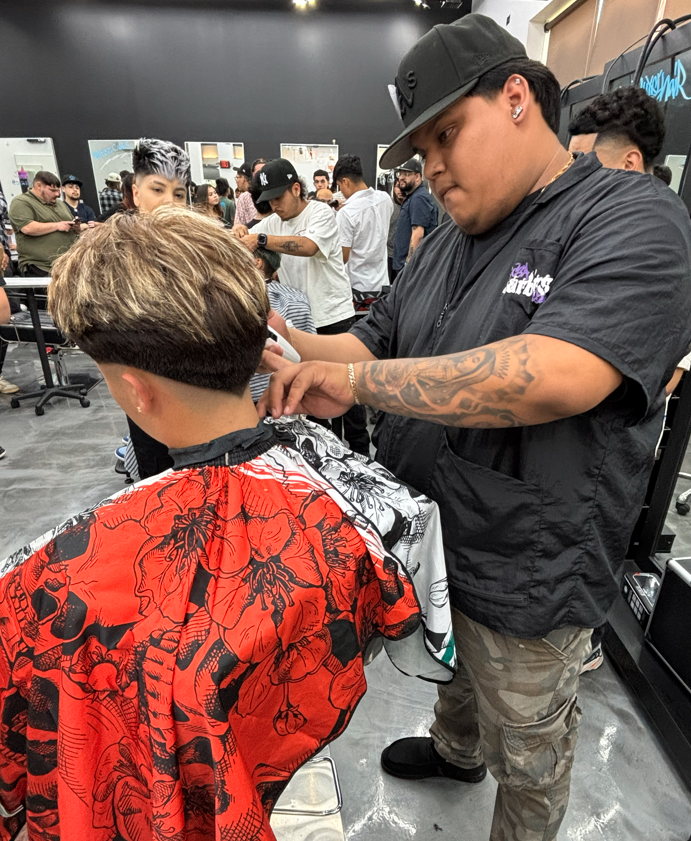
Texture and Styling: The Final Polish
Modern barbering extends beyond cutting to include styling and teaching clients how to maintain their look. Product knowledge and application techniques are essential skills.
Different hair types require different products. Fine, thin hair needs lightweight products like sea salt spray or light pomades that add texture without weighing hair down. Thick, coarse hair can handle heavier products like strong-hold pomades or styling creams that control unruly texture.
Popular men’s styles in Illinois include textured crops, pompadours, slicked-back looks, and natural, messy styles. Each requires specific cutting and styling approaches. The textured crop uses point cutting and slicing to create movement and reduce bulk. Pompadours need length on top with shorter, tapered sides, styled with blow dryer and strong-hold product. Slicked-back styles work best with medium to long hair, using pomade or gel for shine and hold.
Teach clients how to recreate the style at home. Show them how much product to use (usually less than they think), how to apply it, and how to style with their hands or tools like combs and brushes. This education builds trust and ensures they look great between appointments, increasing satisfaction and retention.
The blow dryer is an underutilized tool in men’s barbering. Using it to direct hair while applying product creates volume, texture, and hold that fingers alone can’t achieve. Learn proper blow-drying techniques and integrate them into your services—clients notice the difference in how long styles last.
Building Your Barbering Business in Illinois
Technical skills are foundational, but business skills determine your success. Illinois barbers who thrive understand that barbering is both craft and commerce.
Create a signature style or specialization. Maybe you become known for the best fades in Chicago’s West Loop, or the go-to barber for professional businessmen in Naperville, or the beard specialist in Rockford. Specialization makes marketing easier and helps you stand out in crowded markets.
Build your presence through social media. Share before-and-afters, quick technique videos, and client testimonials. Use location tags for your Illinois city and relevant hashtags like #ChicagoBarber or #IllinoisBarbers. Apply the strategies from building your beauty business on social media to attract local clients.
Offer package deals or membership models. “Buy 5 haircuts, get the 6th free” encourages repeat bookings. Monthly membership programs (unlimited cuts for $150/month, for example) create predictable revenue while rewarding loyal clients. These models are growing in popularity throughout Illinois.
Consider your pricing strategy carefully. Don’t undervalue your work, but understand your market. Downtown Chicago can support $60-80 haircuts for skilled barbers. Smaller Illinois cities might top out at $40-50. Price based on your skill level, experience, and local market conditions. As you master advanced techniques and build reputation, gradually increase rates.
Invest in quality tools and maintain them properly. Premium clippers, trimmers, and shears cost more upfront but last longer and deliver better results. Sharp blades create clean cuts; dull blades tear hair and create choppy results. Professional tools are the investment that pays daily dividends.
Network with other Illinois barbers and beauty professionals. Attend industry events, join barber associations, continue education through workshops and classes. The barbering community is generally supportive, and learning from experienced professionals accelerates your growth. This networking is valuable whether you work in a shop or plan to eventually open your own salon.
Continuing Education and Skill Development
Your Illinois barber license gets you in the door, but continuous learning keeps you competitive. The industry evolves constantly with new techniques, trends, and tools.
Take advanced classes on specific techniques. Many product companies offer free education when you use their lines. Andis, Wahl, and other tool manufacturers provide workshops on clipper techniques. Independent educators offer fade classes, beard sculpting workshops, and business development training throughout Illinois and online.
Follow industry leaders on social media and study their work. Analyze how top barbers create their fades, what tools they use, how they handle different hair types. You can learn tremendously by carefully observing skilled professionals, even from a distance.
Practice deliberately on mannequins or willing models when learning new techniques. Don’t experiment on paying clients until you’ve refined skills through practice. The investment in practice time pays off through better results and more confident service delivery.
Stay current with trends but develop your own style. Clients appreciate barbers with signature techniques and aesthetic sensibilities, not carbon copies of whatever’s trending on Instagram. Your unique approach becomes part of your brand.
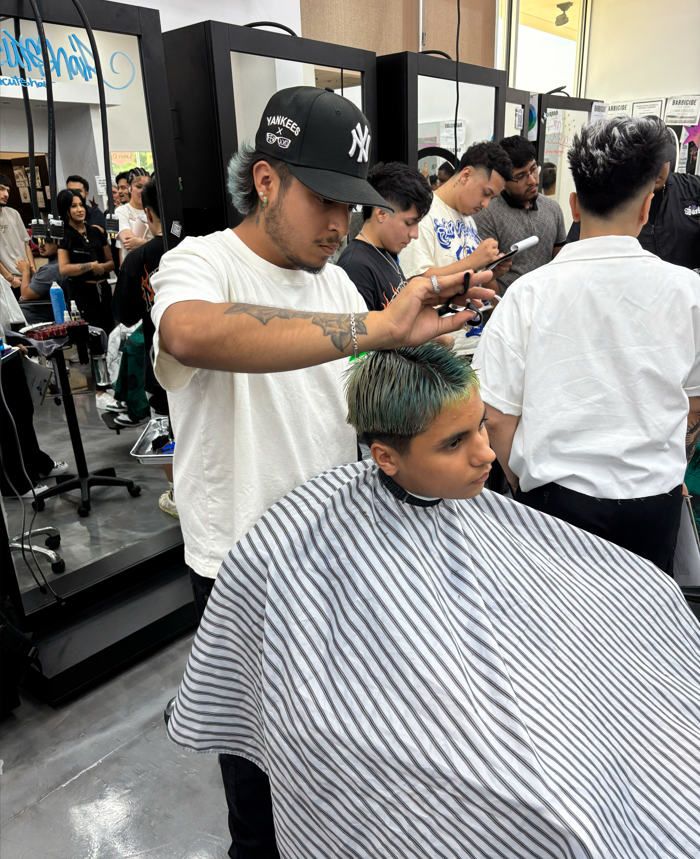
Your Path to Barbering Excellence in Illinois
Advanced barbering techniques transform you from someone who cuts hair into an artist who crafts personalized styles. Whether you’re currently at Cosmetology and Spa Academy learning fundamentals or already licensed and looking to elevate your skills, mastering these techniques opens doors to higher earnings and career satisfaction.
The barbers thriving in Illinois—building six-figure incomes in Chicago or comfortable livings in smaller cities—are those who commit to excellence. They practice deliberately, continue learning, communicate effectively during consultations, and deliver consistent quality that keeps clients returning.
The men’s grooming market shows no signs of slowing. As more men invest in their appearance and seek skilled professionals, opportunities expand for barbers who deliver exceptional service. Your technical mastery, combined with business acumen and genuine care for clients, creates the foundation for a rewarding barbering career in Illinois.
Start mastering these advanced techniques today. The investment in your skills pays dividends throughout your entire career.
Related Articles:
- How Long to Become a Barber in Illinois
- How to Get a Barbering License in Illinois
- Top Paying Beauty Careers in Illinois
- Client Consultations: Build Trust Behind the Chair
- Benefits of Becoming a Cosmetologist
Ready to master advanced barbering techniques? Learn more about our Barbering program at Cosmetology and Spa Academy where we train Illinois’s next generation of skilled barbers.