

Master client consultations to build trust and retain clients. Essential communication skills for Illinois cosmetologists, estheticians, and barbers.
Technical skills get you licensed. Communication skills build your career. At Cosmetology and Spa Academy, we emphasize that the consultation is where the magic happens—before you ever pick up scissors, mix color, or apply product.
The consultation is your opportunity to understand what clients truly want, set realistic expectations, build trust, and position yourself as an expert. Master this skill and you’ll have loyal clients who return every 4-6 weeks, refer their friends, and never question your pricing. Fumble the consultation and even perfect technical work won’t save the relationship.
This guide covers everything Illinois beauty professionals need to know about effective client consultations, from the first greeting to the final booking.
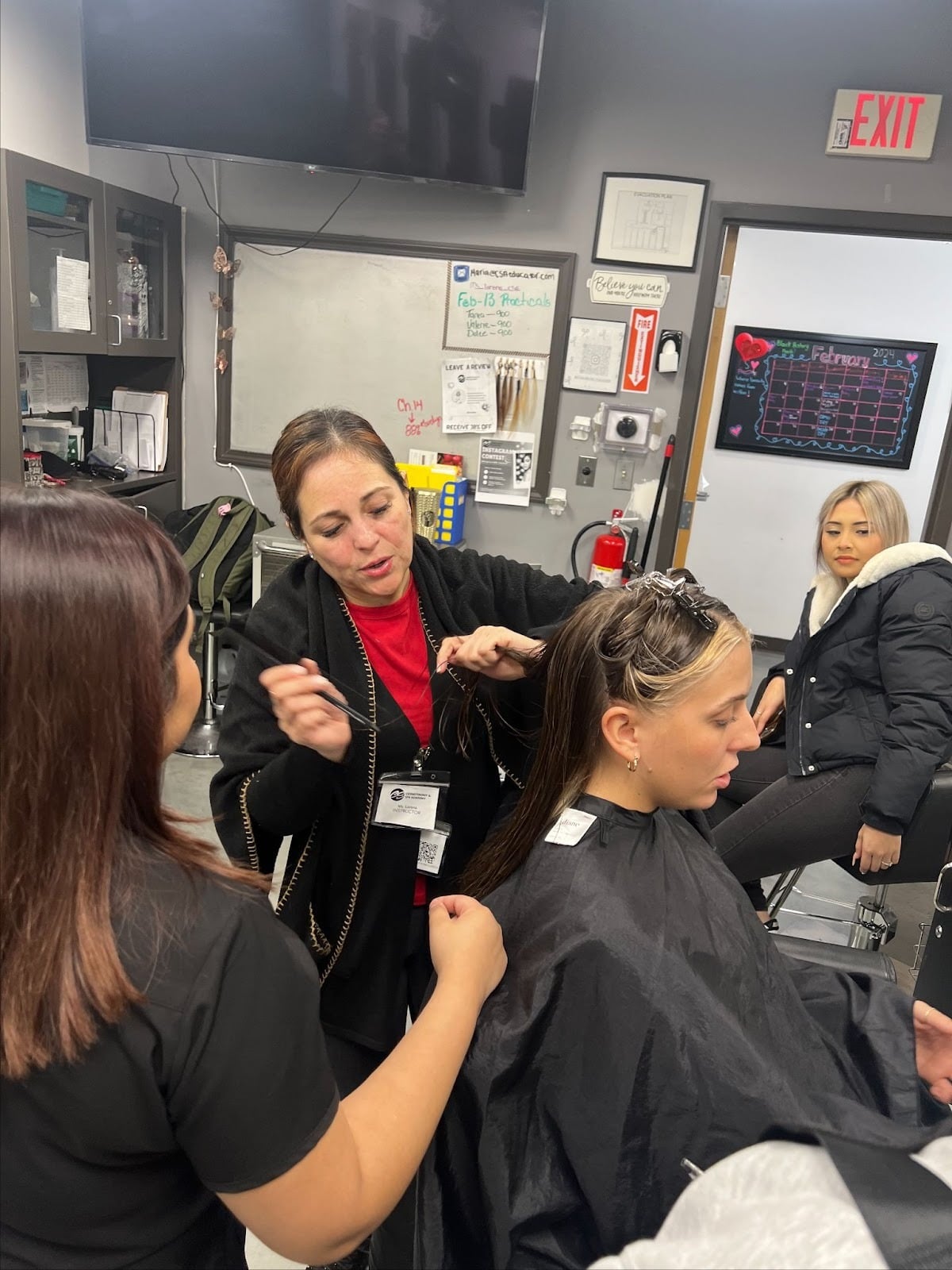
Why Consultations Matter More Than You Think
Here’s what most new cosmetology graduates don’t realize: clients don’t book you for your technical skills alone. They can’t evaluate whether you’re technically proficient until after the service. What they can evaluate immediately is how you make them feel during the consultation.
Do you listen carefully? Do you ask thoughtful questions? Do you seem genuinely interested in their concerns? Do you explain things clearly without talking down to them? Do you set realistic expectations or make promises you can’t keep?
These consultation moments determine whether someone becomes a one-time client or a loyal regular who follows you throughout your career—even if you eventually open your own salon in Illinois.
In competitive markets like Chicago, Naperville, and Rockford, excellent consultation skills separate the stylists with fully booked schedules from those constantly scrambling for clients. Your consultation creates the emotional connection that makes clients choose you over the dozens of other qualified professionals nearby.
The Perfect Consultation Framework
Great consultations follow a structure, not a script. Here’s the framework that works whether you’re doing hair, skincare, or barbering.
Start with connection, not service. Take 60 seconds to make genuine human contact before diving into what they want. Comment on something they’re wearing, ask about their day, find common ground. This brief moment of authentic connection relaxes nervous clients and establishes you as a person, not just a service provider.
Ask open-ended questions first. Don’t immediately jump to “So what are we doing today?” Instead try: “Tell me about your hair” or “What brings you in today?” or “What are you hoping to achieve?” Open questions let clients talk freely, revealing information they might not share if you ask narrow yes/no questions.
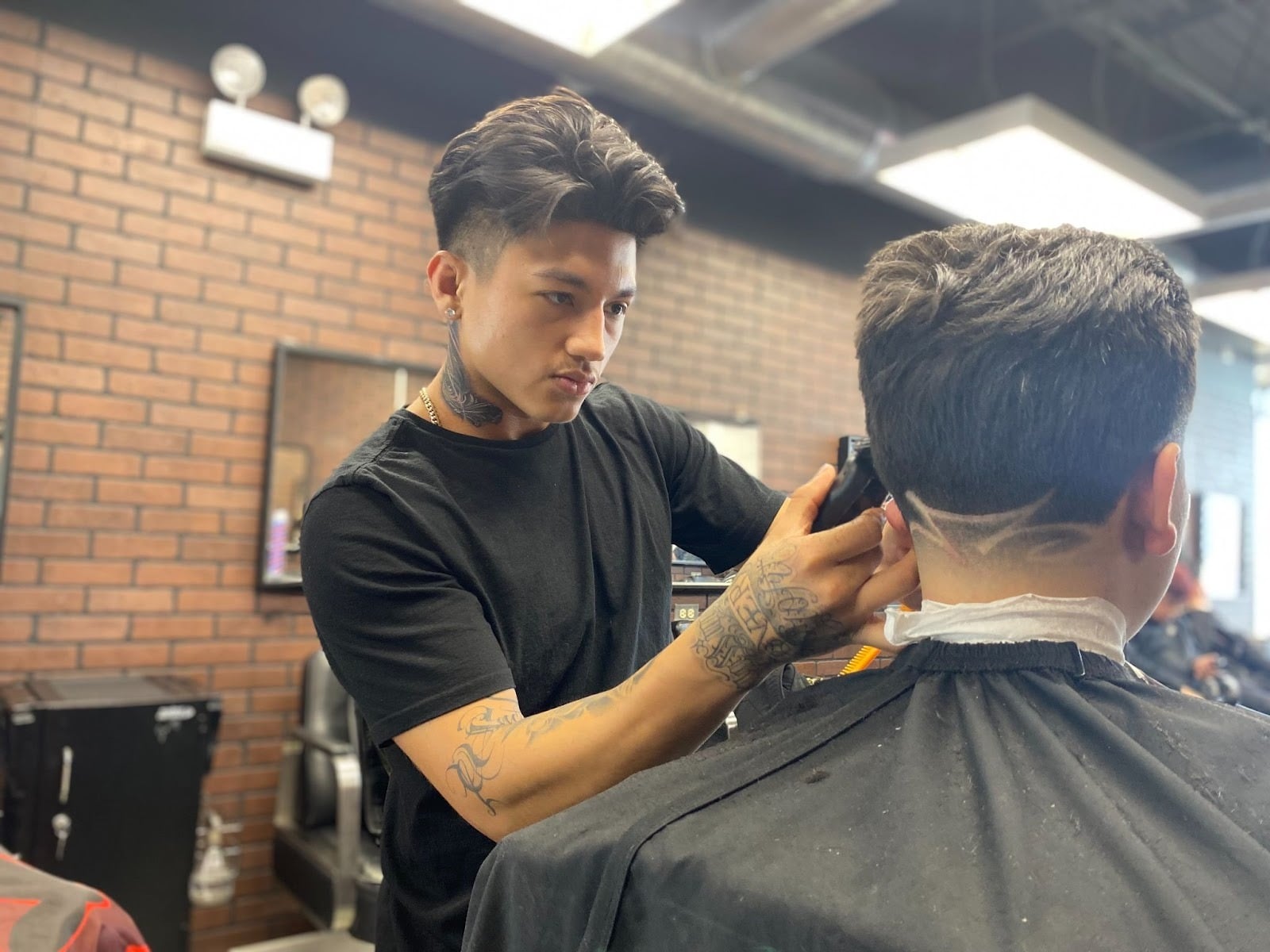
Listen more than you talk. Most beauty professionals talk too much during consultations, eager to demonstrate their expertise. Resist this urge. The client who feels heard and understood will trust your recommendations much more than one who feels lectured.
Clarify the why behind the what. When someone says “I want to go blonde,” dig deeper. Why do they want blonde? What do they like about blonde hair? Is it the brightness, the coolness, the change? Understanding motivation helps you deliver what they actually want, which might not be what they initially asked for.
Assess current condition honestly. Whether it’s hair, skin, or nails, give an honest assessment of current condition and what’s realistically achievable. Touch their hair, examine texture and damage. Look closely at skin concerns. This hands-on assessment demonstrates expertise and sets the foundation for realistic expectations.
Explain your recommendations clearly. After listening and assessing, share your professional opinion using simple language. Avoid industry jargon unless you immediately explain it. Instead of “We’ll do a partial foil highlight with lowlights,” try “I’ll add lighter blonde pieces throughout but also weave in some darker tones for dimension and depth.”
Address concerns proactively. If there are limitations—damage that prevents going too light, skin sensitivity that restricts treatment options, timing that requires multiple sessions—address these upfront. Clients appreciate honesty even when it means hearing they can’t have exactly what they want immediately.
Create a plan together. The best consultations feel collaborative, not dictatorial. Present options and ask for their input: “We could do this in one longer session today, or break it into two shorter appointments. What works better for you?” This shared decision-making creates buy-in and satisfaction.
Discuss maintenance and cost. Many Illinois beauty professionals avoid discussing maintenance and cost until the end, then wonder why clients seem shocked. Address both during the consultation: “This color looks amazing but needs refreshing every 6 weeks to maintain the tone. Are you comfortable with that commitment?” Being upfront about maintenance prevents future disappointment.
Confirm understanding before starting. Before you begin the service, recap the plan in simple terms and ask if they have any remaining questions. This confirmation prevents miscommunication and gives nervous clients a final chance to voice concerns.
Reading Body Language and Unspoken Concerns
Consultations aren’t just about what clients say—it’s about what they don’t say. Pay attention to body language and subtle cues that reveal underlying concerns or hesitations.
When someone brings a photo of a celebrity with completely different hair texture and color, they might not realize how much their own hair differs. Rather than immediately saying “We can’t do that,” ask questions that help them discover this themselves: “What specifically do you love about this look? Is it the color, the texture, how it frames her face?” Often they respond, “I love how effortless it looks.” That gives you the real request—effortless style—which you can achieve differently on their hair type.
Watch for hesitation when you propose a plan. If their face says yes but their body language says no, pause and dig deeper: “You seem a bit uncertain—what concerns do you have?” Creating space for them to voice worries builds trust and lets you address objections before they become problems.
Notice if they’re checking their phone constantly or seem distracted. This might signal they’re in a rush, anxious about cost, or dealing with something external. A simple “Are you on a tight schedule today?” shows awareness and lets them communicate needs you might otherwise miss.

Managing Difficult Conversations
Not every consultation is straightforward. Here’s how to handle common challenging situations.
When what they want isn’t achievable: Never flat-out say “I can’t do that.” Instead, explain what’s possible and why limitations exist: “Going from black to platinum blonde in one session would severely damage your hair. But here’s how we can get you there safely over three appointments.” Present the realistic path toward their goal rather than shutting down the dream entirely.
When their hair/skin is too damaged for their request: Show empathy while being honest: “I can see you really want this color, and I want to deliver that for you. But your hair’s current condition means we need to focus on repair first. Let’s do a treatment plan for 6-8 weeks, then revisit this color goal when your hair can handle it.” Position yourself as protecting their long-term hair health, not denying their request.
When they bring an unrealistic inspiration photo: Find the element they actually like: “She’s gorgeous! Tell me what draws you to this look.” Then redirect to what’s achievable: “While we can’t exactly replicate her texture since it’s naturally different from yours, we can absolutely create this dimensional color and cut it to frame your face similarly.” Focus on what you can deliver rather than what you can’t.
When cost is clearly a concern: Address it directly rather than avoiding the awkward conversation: “I want to be upfront about investment. This full highlight and cut will be around $200 today. If that’s more than you’re comfortable with right now, I can suggest a more budget-friendly option that still gets you closer to your goal.” Clients appreciate transparency and often respect you more for honest cost discussions.
When they’ve had a bad experience elsewhere: Resist the urge to trash other professionals. Instead, focus on how you’ll make this experience different: “I’m sorry you had that experience. Help me understand what happened so I can make sure we get it right this time.” Use their previous disappointment as an opportunity to exceed expectations.
Building Trust Through Expertise
Clients want to feel they’re in capable hands. Demonstrate expertise during consultations without coming across as arrogant or condescending.

Explain the why behind your recommendations. Don’t just say “We should use this toner.” Explain: “I’m choosing this violet-based toner because your hair lifted to a pale yellow, and violet neutralizes yellow on the color wheel, giving you that cool blonde you want.” Education builds confidence in your abilities.
Reference your training and experience naturally. Mentions like “When I was learning advanced color techniques at Cosmetology and Spa Academy” or “I’ve corrected this exact issue for several clients” reassure them they’re working with someone qualified.
Ask about their routine and offer specific tips. “What products are you using at home?” Then provide tailored advice: “That shampoo is pretty harsh for color-treated hair. Let me suggest something gentler that will keep your color fresh longer.” Personalized recommendations demonstrate you’re thinking beyond this single appointment.
Share realistic timelines for results. If someone has acne scarring, explain that improvement requires multiple treatments over months, not a miracle cure in one session. Realistic expectations prevent disappointment and position you as honest rather than overselling.
Stay current with trends and techniques. When clients mention something they saw on Instagram or TikTok, knowing what they’re referring to shows you’re plugged into the industry. Learning strategies from resources like building your beauty business on social media helps you speak your clients’ language.
Documentation: Your Secret Weapon
Professional consultations include documentation that protects both you and the client. This is especially important for significant services like dramatic color changes, chemical treatments, or corrective work.
Take photos before starting. Document the before state so you can show clear results afterward. These photos also protect you if a client later misremembers their starting point. Ask permission: “I like to take before photos to track progress. Is that okay with you?”
Write notes about what was discussed and agreed upon. Include formulas used, processing times, any concerns the client mentioned, and the plan you established. This documentation helps you remember details for their next appointment and serves as legal protection if disputes arise.
Have clients sign consent forms for chemical services. This documents they understand risks and agreed to the service despite potential complications. Illinois professionals should never perform perms, relaxers, or heavy lightening services without proper consent documentation.
Track their service history and preferences. Note whether they preferred warmer or cooler tones, if they’re sensitive to certain products, how their hair responds to color, typical processing times. This information makes future appointments smoother and shows clients you remember them as individuals.

The Follow-Up: Consultation Doesn’t End at Checkout
Consultation continues after the service when you check in about results and explain home care.
As you’re finishing the service, explain what you did and why: “I focused more color around your face because that’s what brightens your complexion most. The darker pieces underneath create depth and make the light pieces pop even more.”
Give specific home care instructions, not vague advice. Instead of “Use purple shampoo,” say “Wash with purple shampoo every third wash, leaving it on for 3-5 minutes. Use regular shampoo the other days so it doesn’t over-tone and turn purple.”
Set expectations for how the color or style will evolve: “This will lighten slightly over the next week as the color oxidizes. If it seems a bit dark right now, don’t worry—it will settle into exactly what we discussed.”
Book the next appointment before they leave. Waiting 6 weeks then trying to get back on your schedule is frustrating for clients. Pre-booking ensures they maintain their hair, builds your schedule consistency, and shows you’re thinking long-term about their hair journey.
Follow up via text or email a few days later: “Hey [name]! Just checking in—how are you loving your new color? Let me know if you have any questions about the products or styling.” This simple touchpoint shows you care beyond just the transaction and opens the door for them to address small concerns before they become big ones.
Common Consultation Mistakes Illinois Beauty Professionals Make
Avoid these pitfalls that damage client relationships.
Rushing through consultations because you’re running behind. Taking an extra 5 minutes for a proper consultation saves hours of fixing problems or dealing with unhappy clients later. If you’re running late, communicate that: “I’m running about 10 minutes behind, but I want to make sure we have time to properly discuss your service. Is that okay?”
Making assumptions based on appearance. Never assume someone’s age, lifestyle, budget, or preferences. Ask questions rather than guessing.
Using too much industry jargon. Terms like “lifting,” “depositing,” “foils vs. balayage,” and “AHA vs. BHA” mean nothing to most clients. Speak in plain language or immediately explain technical terms.
Promising results you can’t guarantee. Be careful with words like “definitely,” “always,” and “guaranteed.” Hair and skin can be unpredictable, and over-promising creates unrealistic expectations.
Failing to listen to subtle cues. If a client shows hesitation but you push forward anyway, you’re setting up disappointment. Pay attention and address concerns proactively.
Talking more than listening. The consultation should be 70% client talking, 30% you talking. Flip that ratio and you’re not gathering enough information.
Not discussing maintenance and cost upfront. These “surprises” at the end destroy trust and make clients feel trapped or deceived.
Building Long-Term Client Relationships in Illinois
Great consultations are the foundation of lasting client relationships. In markets like Chicago where clients have endless options, the stylists with booked schedules are those who consistently make people feel heard, understood, and cared for.
Remember details about clients’ lives. Did they mention a vacation coming up? Ask about it next time. Do they have kids? Inquire about them. Are they dealing with a stressful job situation? Show empathy. These moments of genuine connection transcend the transactional nature of service work.
Maintain consistency in your consultation approach. Clients appreciate knowing what to expect. If you always start by asking about their week and examining their hair before discussing services, that routine becomes comfortable and reassuring.
Continue educating between appointments. Share relevant tips through yoursocial media presence, send seasonal care reminders, or text a product recommendation when you discover something perfect for their hair type. This ongoing relationship-building keeps you top-of-mind.
Be honest when you’re not the right person for what they need. If someone requests a service you’re not confident performing, refer them to another professional. This honesty builds more trust than attempting something beyond your skill level and delivering poor results.
Your Consultation Skills Determine Your Career Success
Technical skills might get clients in the chair once, but consultation skills keep them coming back. The most successful beauty professionals in Illinois—whether they’re working toward top-paying careers or building toward salon ownership—are exceptional communicators who prioritize the consultation process.
These soft skills aren’t always emphasized in beauty school, but they’re absolutely critical to real-world success. Start practicing now while you’re still a student at Cosmetology and Spa Academy. Perfect your consultation framework on classmates, ask for feedback, and watch experienced professionals during your clinic floor time.
The time you invest in mastering consultations will pay dividends throughout your entire career. Clients who feel heard, understood, and cared for become your best marketing—they return regularly, refer friends, and never question your value. That’s the foundation of a thriving beauty business in Illinois.
Related Articles:
- How to Become a Cosmetologist in Illinois
- Building Your Beauty Business on Instagram & TikTok
- Benefits of Becoming a Cosmetologist
- Top Paying Beauty Careers in Illinois
Ready to develop both technical and communication skills? Learn more about our programs at Cosmetology and Spa Academy where we prepare students for real-world success in Illinois’s beauty industry.